What Caregiver Support Benefits Should HR Offer Employees Caring for Aging Parents

HR should offer four layers of support to employees caring for aging parents: flexible time and leave, an EAP for the employee's own well-being, care navigation or backup care for active care situations, and practical help at the parent's home before a crisis. Most employers have the first two. Few have the last one, and it is where most of the everyday risk and lost work begins.
By Brian Fluhr
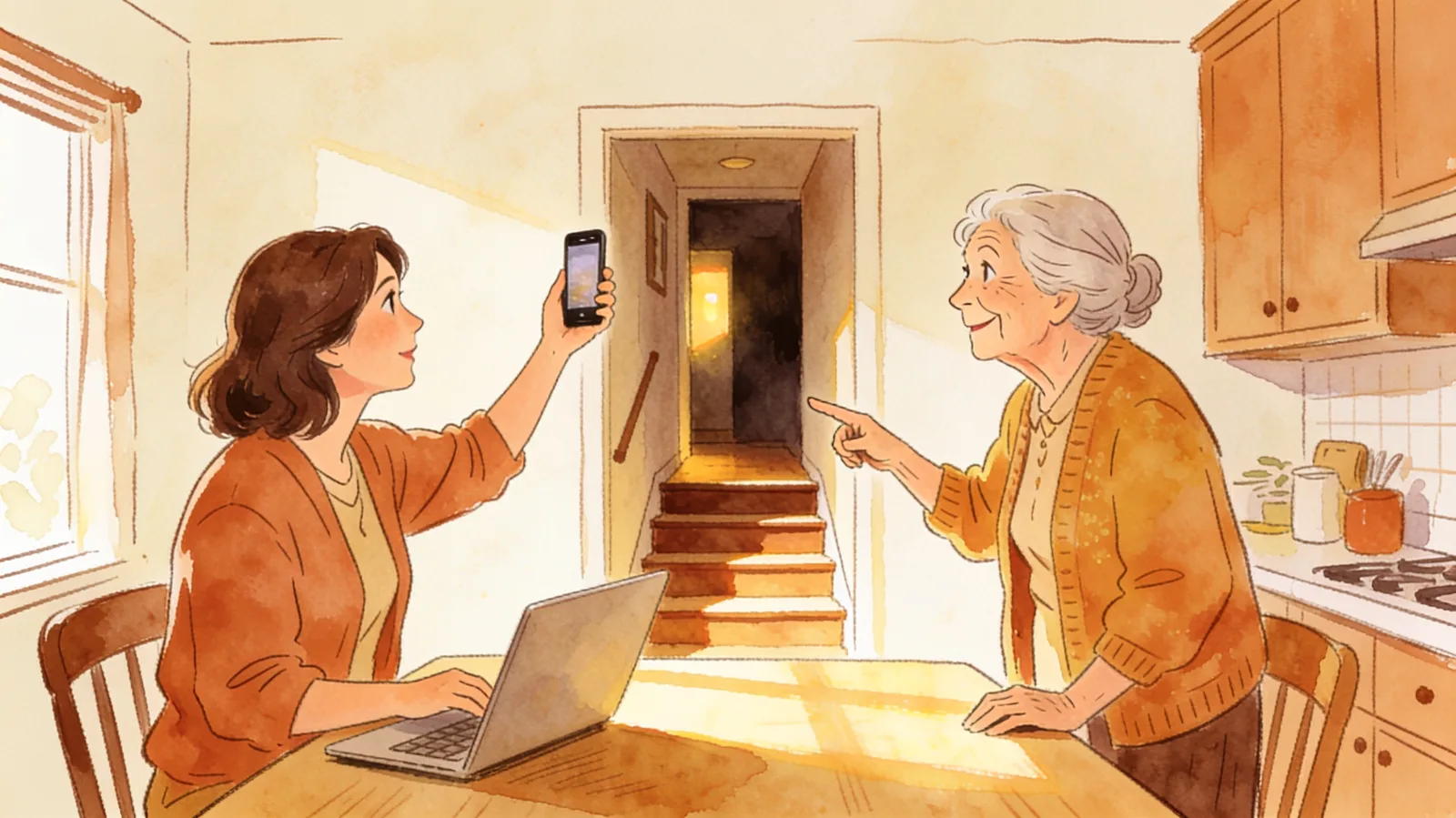
Picture the director on your team whose mother lives alone three hours away. She is not in a crisis. She is managing pharmacy calls at lunch, a sibling group text nobody owns, and a quiet worry about the stairs in her mother's house. Nothing about her situation triggers a benefit you offer today. That is the gap this post is about.
This is part of our series on The Employer Caregiver Crisis.
How many of your employees this covers
- 63 million Americans are family caregivers, nearly 1 in 4 adults, and 59 million of them care for an adult (AARP and National Alliance for Caregiving, Caregiving in the US 2025).">https://www.aarp.org/press/releases/2025-07-24-new-report-reveals-crisis-point-for-americas-63-million-family-caregivers.html)).
- 7 in 10 working-age caregivers (18 to 64) are employed while providing care, and only 49% tell their supervisor about it (Caregiving in the US 2025: Working While Caregiving).">https://www.caregivingintheus.org/wp-content/uploads/2025/12/NAC_CGUS25_Working-While-Caregiving.pdf)).
- Only 37% of employees identify as caregivers, and just 19% feel their caregiving needs are well recognized at work (Care.com 2026 Future of Benefits Report).">https://www.care.com/about/press/new-care-com-research-reveals-a-critical-visibility-gap-in-a-modern-workforce-that-runs-on-caregiving/)).
The second and third numbers matter most for benefits design. Half of the people carrying this load have not told their manager, and most do not call themselves caregivers. A benefit that waits for an employee to self-identify in a crisis will reach a small fraction of the people who need it.
The four layers, and what each one is for
1. Time: flexible hours and caregiving leave
Flexibility is the cheapest benefit you can give and the one working caregivers use most. Clear rules on flexible hours, remote days and paid family leave that explicitly covers parents let an employee handle a doctor's appointment without burning a sick day or a favor. Write the policy so a manager can say yes without escalating.
2. The employee: your EAP
Keep it. An EAP gives the employee confidential counseling and a referral line when the weight gets heavy. It is built for the employee's own well-being, and it does that job. It does not reach the parent, the family or the house. We go deeper in why EAPs fall short on elder care.
3. Active care: care navigation and backup care
When a parent's needs are clear and growing, care navigation providers such as Cariloop, Wellthy and Homethrive pair the family with coaches or care experts who research options, handle paperwork and build a care plan. Backup care providers such as Care.com and Bright Horizons fill short gaps with subsidized in-home or center-based care. These are strong benefits for the stretch when care is already under way.
4. The home: help before care is needed
This is the layer most stacks skip. Most employees with older parents are not in active care. Their parent is living at home, independent, and wants to stay that way. The risk at that stage lives in the house: a dim hallway, a slick tub, a rug on the stairs. The CDC reports that over 14 million adults 65 and older, about 1 in 4, report a fall each year, and falls are the leading cause of injury in that age group (CDC Older Adult Falls Data).
A benefit for this stage should help the family see the home clearly, fix the few things that matter, and agree on a plan before anything goes wrong. That is the work SeniorThrive was built for.
What SeniorThrive adds to the stack
SeniorThrive is an employer benefit that goes past the EAP by helping at the parent's home itself. It sits alongside the EAP and any care navigation you already have.
- Room Safety Check. The employee or parent photographs a room. SeniorThrive returns a ranked list of fixes and a Home Safety Score, room by room. It talks about floors, lights and rails, never about the person.
- Circle. The employee invites their parent and family into one shared plan. The parent joins by invitation and decides what is shared.
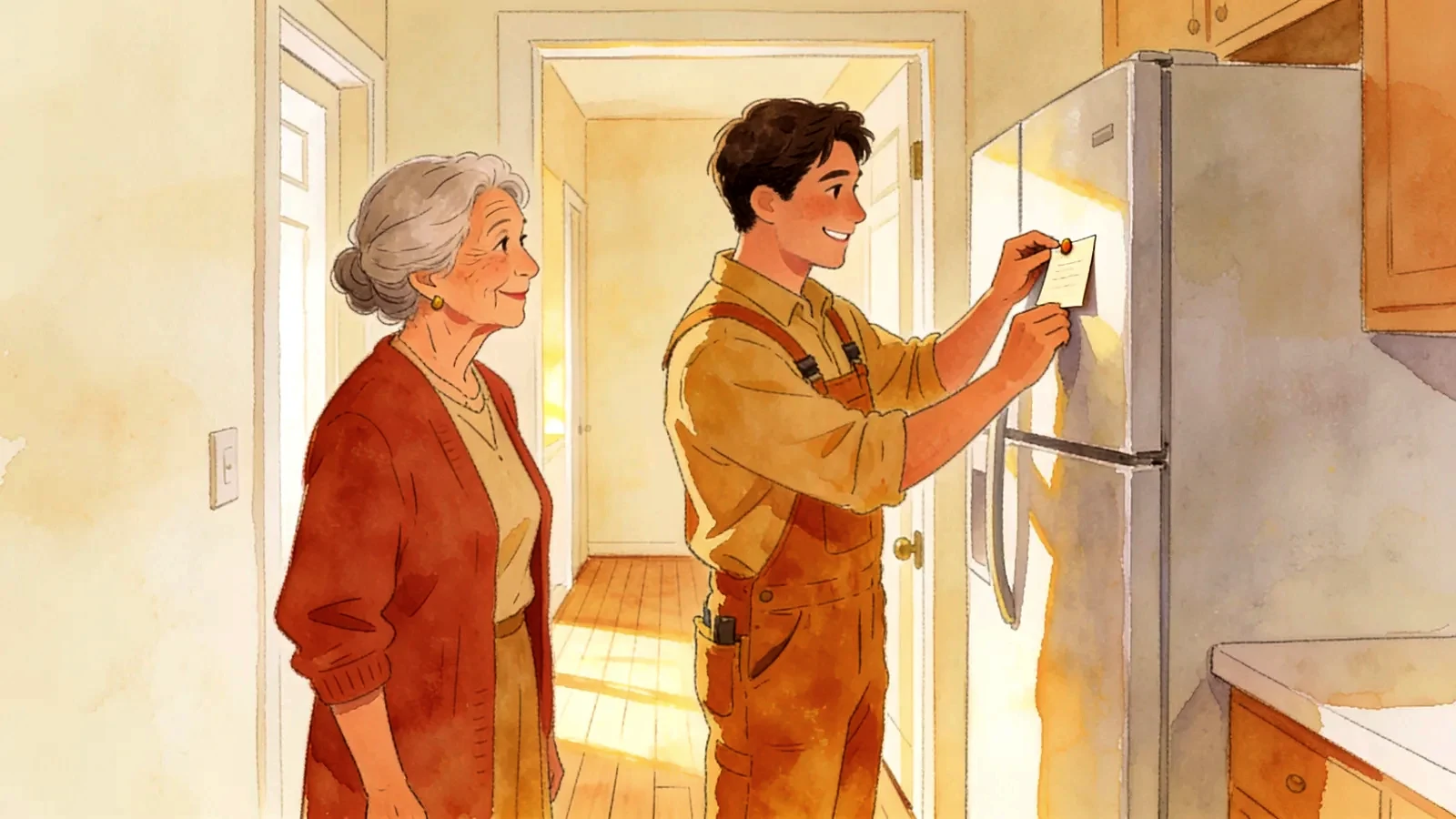
- Emergency Card. Holds the people to call plus conditions, medications and allergies, on the phone, as a fridge PDF and as a wallet card. Free.
- My Daily Check-In. A short daily check-in so nobody has to hover. Free.
- Morning Peace of Mind. If Mom has not checked in by the time she sets, the family members she chose get a gentle heads-up. Included in Essential, along with full Room Safety Checks.
- Thrive Progress. An honest record of what the parent did, kept separate from the Home Safety Score.
Your team gets an exported PDF with counts only, never a household, and anything under 5 shows as "Fewer than 5." Details are on SeniorThrive for Employers.
How to choose: five questions for HR and brokers
- Who is it for, by stage? Map each benefit to a stage: before care, active care, crisis. If nothing covers "before care," that is the largest group of employees left out.
- Does anything reach the house? If no benefit looks at the home where the parent lives, the most common everyday risk is unaddressed.
- Does the parent keep control? A parent is the person running their own life. Look for benefits that invite the parent in and let them decide what is shared.
- Can the family work from one plan? Siblings and spouses carry much of this. A benefit that serves only the employee leaves the coordination on the employee's desk.
- Will people know it exists? Ask every vendor for the launch kit, manager talking points and the monthly report you will receive.
The short version
Time, the EAP, care navigation and backup care each do a real job. Add a benefit that helps at the parent's home, before care is needed, and your stack covers the stage where most of your employees actually are.
If you are building or renewing a caregiving stack, see how SeniorThrive works for employers or book 20 minutes with me there.
Sources
- AARP and National Alliance for Caregiving, Caregiving in the US 2025 (press release): https://www.aarp.org/press/releases/2025-07-24-new-report-reveals-crisis-point-for-americas-63-million-family-caregivers.html
- Caregiving in the US 2025, Working While Caregiving: https://www.caregivingintheus.org/wp-content/uploads/2025/12/NAC_CGUS25_Working-While-Caregiving.pdf
- Care.com, 2026 Future of Benefits Report (press release): https://www.care.com/about/press/new-care-com-research-reveals-a-critical-visibility-gap-in-a-modern-workforce-that-runs-on-caregiving/
- CDC, Older Adult Falls Data: https://www.cdc.gov/falls/data-research/index.html