781,763 Paid Caregivers. One Clock-In. No Logbook.
California pays 781,763 IHSS providers to help 876,564 people live at home. EVV logs the clock-in and the clock-out. What happens in between has no place to go.
By Brian Fluhr
Every IHSS shift in California starts the same way. The provider clocks in. Electronic Visit Verification logs the time and the place. Hours later, the provider clocks out.
That is the whole record.
California pays 781,763 IHSS providers to help 876,564 people live at home. Federal law requires EVV for every visit, and it captures six things: the type of service, who received it, who provided it, the date, the location, and the time it began and ended.
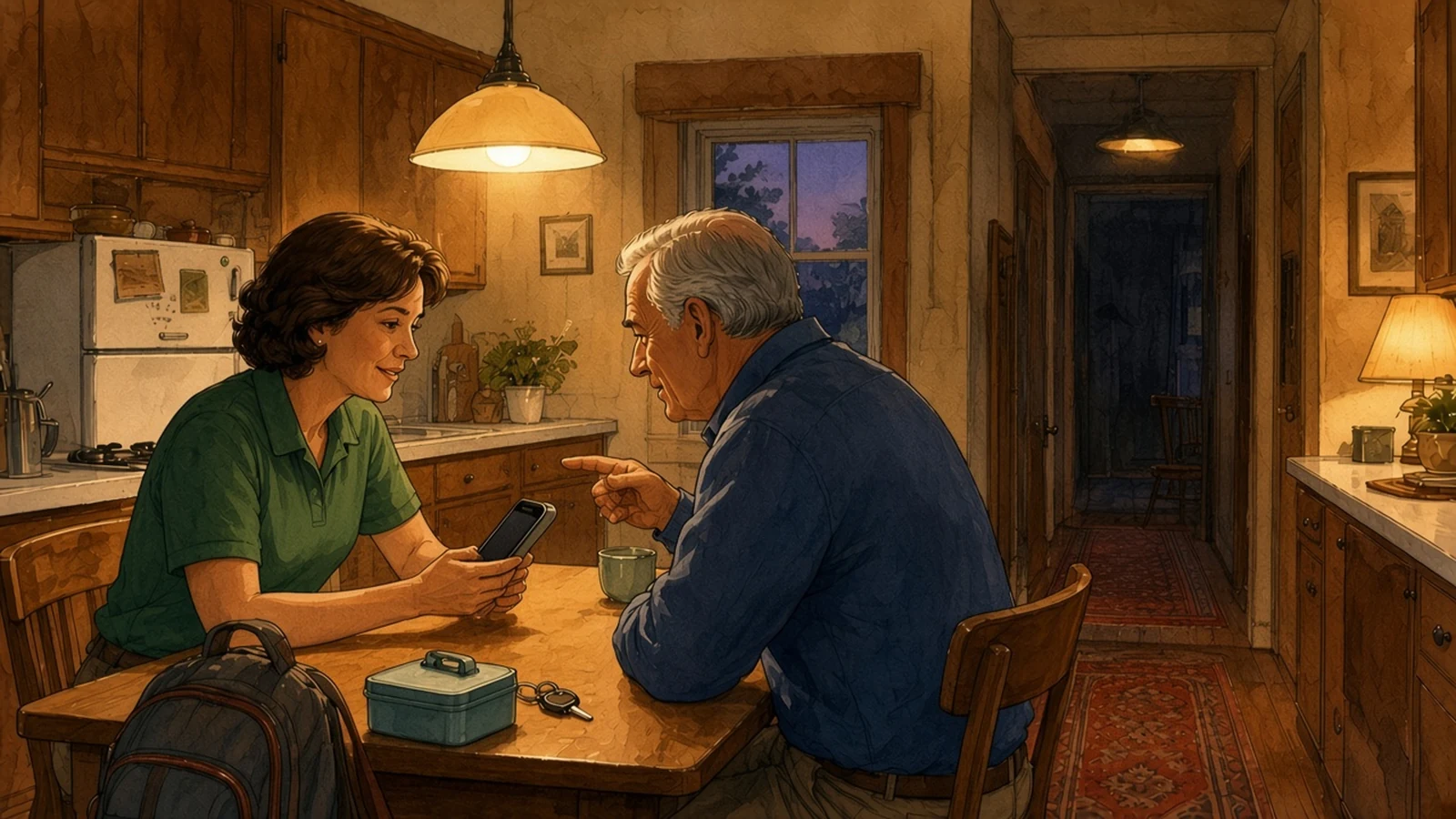
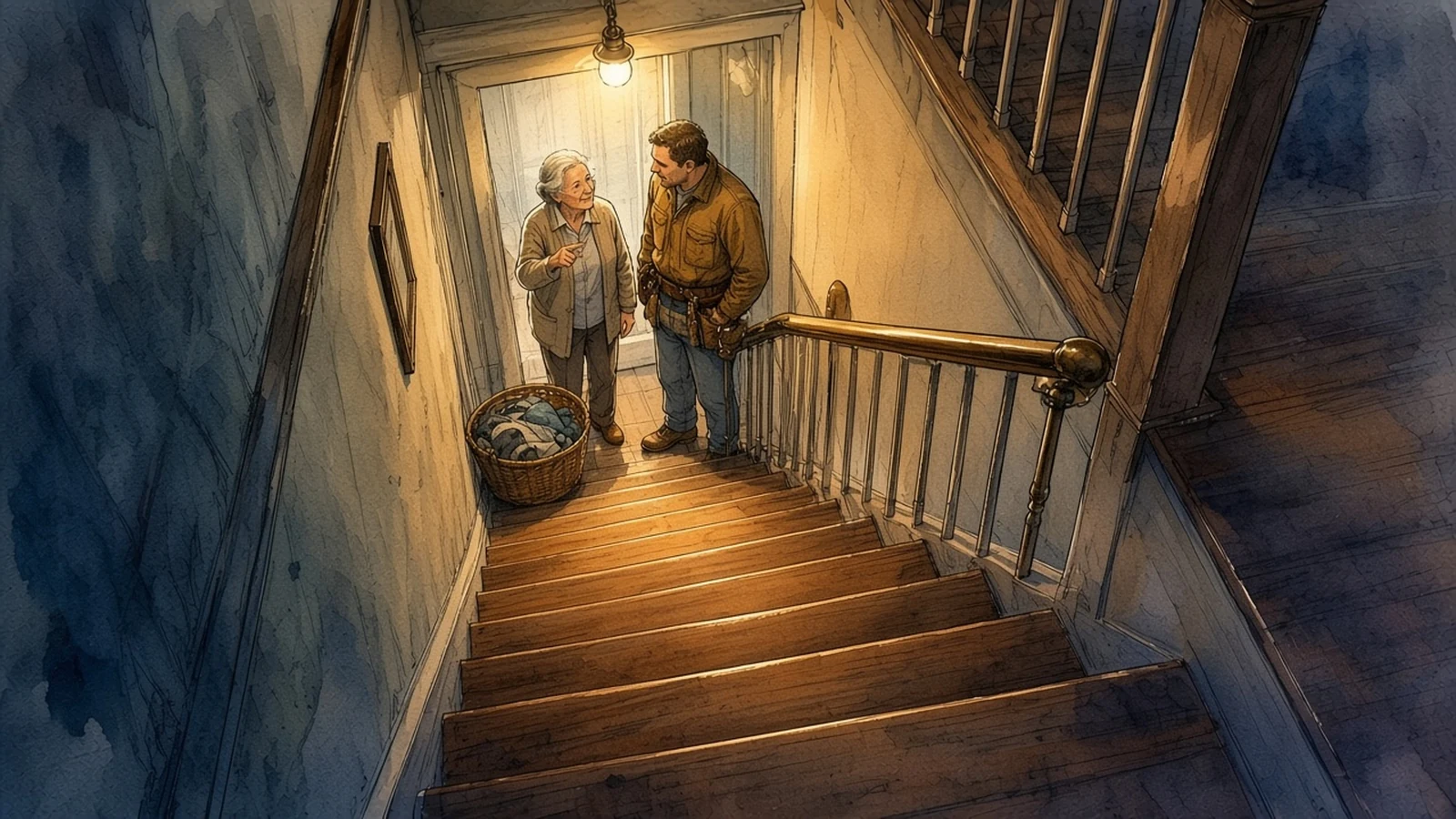
Notice what is missing. The near fall in the bathroom at 2:15. The pill she skipped because she felt dizzy. The rug that keeps catching her walker. None of it has a place to go. It lives in someone's memory until it becomes an emergency.
I cared for both of my parents, so I know how much of what matters happens between visits and never gets written down.
Who carries the gap
Everyone in the home.
The older adult carries it first. When she hires her own IHSS provider, she signs a state checklist that makes her responsible to find, hire, train, supervise and fire that provider. She is the employer. Yet she has no tool to see what happened on Tuesday when her daughter asks.
The provider carries it next. One in four adults 65 and older reports a fall every year. When one happens on a provider's shift, the clock-in proves she was there. It does not prove she flagged the loose rug three weeks earlier, or called the family the moment her client wobbled. Good work leaves no trace.
The family carries the rest. They hear about the near fall after the real fall.
The rules are catching up
The federal Access Rule sets national standards for how states identify, report and track critical incidents in Medicaid home and community-based services. The standards apply from July 9, 2027, and an electronic incident system is required by July 9, 2029. This reaches every state that funds home care through Medicaid.
The easy answer is more monitoring. Cameras. Check-in calls. Another app that watches the provider and reports up the chain.
That answer fails. A record built to catch someone becomes a record nobody wants to fill in.
What the record should be
A record that protects everyone in the home has three traits.
- It lives in the household. The older adult decides who sees what. Her home, her record.
- It takes taps, not paperwork. A provider logs a near fall, a missed medicine or a hazard in a few taps, with an optional line about the day.
- It turns a signal into action. A near fall in the bathroom becomes a prompt on her day to check that room, before it becomes an emergency call.
Built that way, the record is proof of good work for the provider, control for the older adult, and a clear signal for the family without anyone hovering.
What we are doing about it
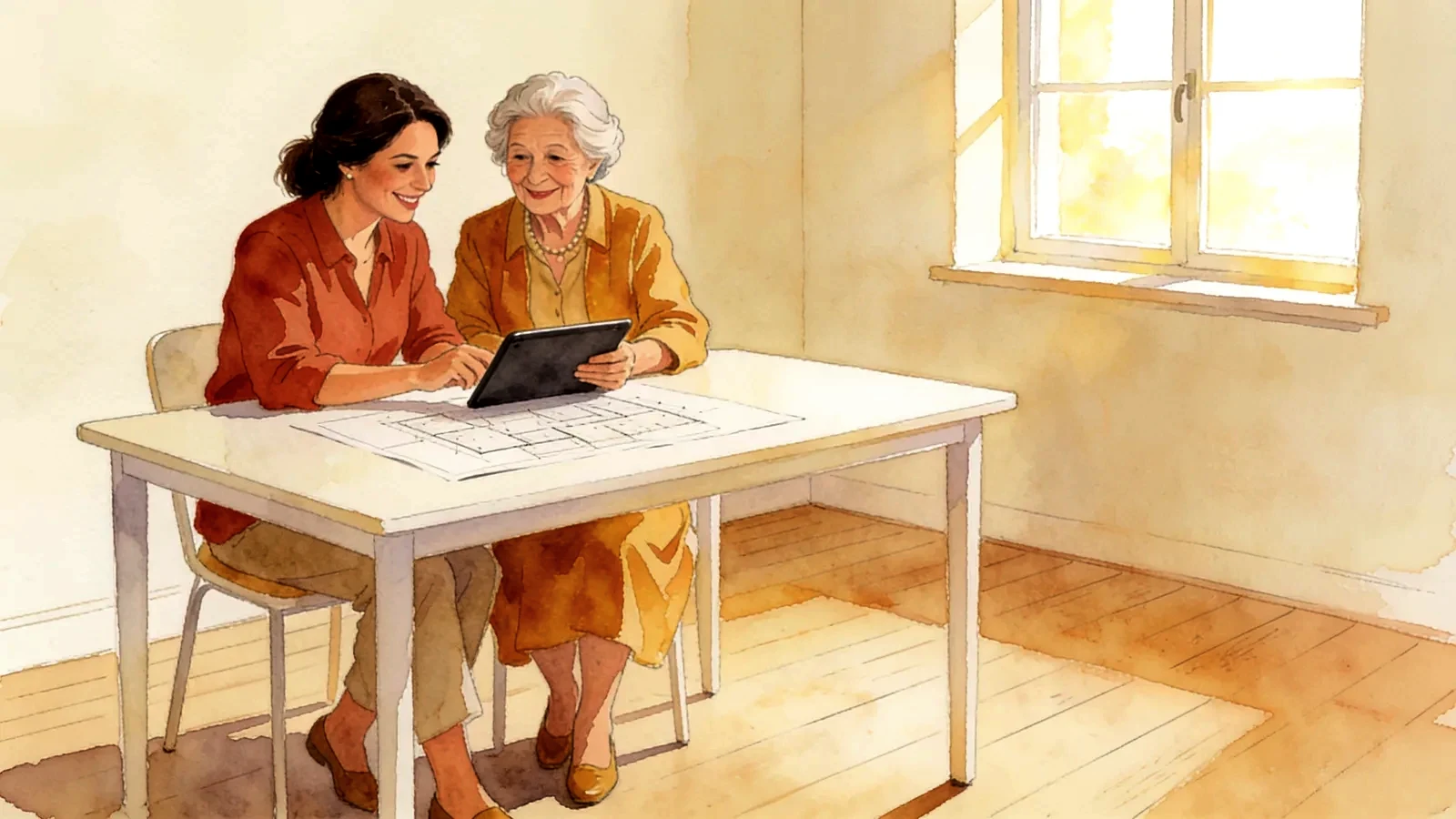
At SeniorThrive we built this record here in Orange County. We can only bring it to IHSS households with the groups that already serve them: consumer alliances, unions, Public Authorities and caregiver resource centers. Our goal is to do that together, through a free pilot.
If you work in IHSS, or in Medicaid home care in any state, the 2027 rules are coming either way. The record they ask for can start in the household, built with the people who live it. Pick a time that works for you: seniorthrive.com/meet