Home Is Where They Want to Be: A Guide to Rural Senior Care

For most families, the question of how to care for an aging parent comes with a list of options. Assisted living. A memory care community. A nursing home twenty minutes away. Adult day programs. A choice to weigh.
In rural America, that list is mostly empty.
There is no assisted living down the road. The nearest one might be two hours away, in a town your parent has visited maybe twice in their life. There is no bus, no senior shuttle, no care network waiting to absorb them. There is the house they have lived in for forty years, the land around it, and the long quiet roads in every direction.
So the conversation is different here. It is not "where should Mom go." It is "how do we make home work." This guide is about that question, and the honest answer to it.
Why is senior care harder in rural areas?
Rural senior care is harder because the services most families rely on are thinner, farther away, or simply absent. Distance turns ordinary tasks into half-day trips. Fewer providers means longer waits. And the support systems that cities take for granted were never built out here in the first place.
Roughly one in five older Americans lives in a rural community, and rural areas skew older than the rest of the country. U.S. Census Bureau data has shown that close to a quarter of Americans 65 and older live in rural areas. Yet the care infrastructure has moved the other way. The University of North Carolina Sheps Center has tracked more than 150 rural hospitals closing or converting away from inpatient care since 2010. Primary care doctors are spread thin across enormous service areas, and specialists who focus on older adults are rare. A clinic visit that takes a suburban family thirty minutes can take a rural family an entire day.
Add it up and you get a real gap. Not because rural families care less, but because the system around them was designed for somewhere else. We explore that idea in depth in why the rural care gap is an infrastructure problem.
What makes home the real option for rural seniors?
Home is the real option because, for most rural seniors, it is the only option that actually exists. When facilities are hours away and there is no transport network to reach them, thriving at home is not a lifestyle choice. It is the practical shape of rural longevity.
This is worth saying plainly, because the wider conversation about older adults often treats staying home as a preference, a nice-to-have, a trend with a tidy name. In rural America it is none of those things. It is simply where life happens, and where it will keep happening.
That reframes the work. The job is not to talk a rural parent into leaving. The job is to make the home they are already in safer, more connected, and easier to keep watch over from a distance. When you accept that, the path forward gets clearer.
What are the biggest challenges of supporting a rural senior at home?
Four challenges come up again and again. Each one is real, and each one has practical answers.
- Transportation. When a parent can no longer drive, getting to a doctor, a pharmacy, or a grocery store becomes a logistics problem. In a town with no public transit, that problem lands on family and neighbors. We cover this in our guide to transportation options for rural seniors.
- Isolation. Rural homes are spread out. Winters are long. A parent can go days without seeing another person, and isolation is not just lonely, it carries real health risk. The CDC reports that social isolation is associated with about a 50 percent higher risk of dementia, along with higher risk of heart disease and stroke. More on the warning signs in helping a rural senior stay connected.
- Healthcare access. With clinics far away and specialists scarce, routine care slips. Telehealth has changed this more than almost anything else, though it cannot do everything.
- Distance from family. Many adult children of rural seniors moved away for work. Caring for a parent from another city, sometimes another state, is its own hard job, and it wears people down. See rural caregiver burnout for how to carry it without breaking.
None of these is unsolvable. But solving them takes coordination, and coordination is exactly where most families are left on their own.
How do families coordinate care for a rural parent?
Families coordinate rural care by building a shared picture: who is checking in, when, what changed, and what needs attention. The hard part is that the people involved, an adult child far away, a neighbor down the road, a part-time helper, the parent themselves, are rarely in the same place or the same conversation.
This is the piece almost no one talks about. There is plenty of advice on the problems of rural aging. There is very little on the daily mechanics of staying on top of a parent's wellbeing when you cannot be there.
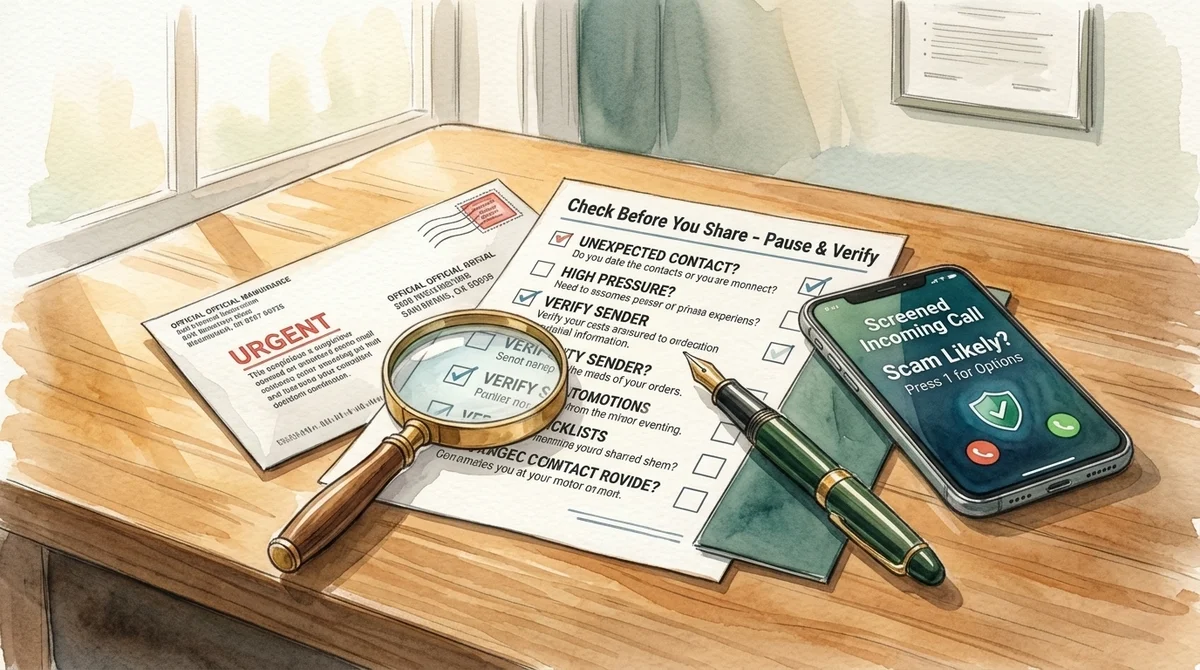
Good coordination tends to share a few habits. There is a regular rhythm of checking in, so a quiet week does not become a missed warning. There is one place the important information lives, medications, doctors, the emergency plan, so no one is guessing. And there is a way for everyone who helps to see the same thing, so the load is shared instead of carried alone by one exhausted person.
Is staying home realistic for a rural senior?
For most rural seniors, staying home is realistic, as long as the home and the support around it are set up for it honestly. That means looking at the house itself, the plan for emergencies, the rhythm of contact, and the parent's changing needs, and adjusting as things change.
It also means being honest about the moments when home stops working. A sudden decline, a medical condition that needs daily hands-on care, a safety risk that cannot be managed remotely. Those moments are real, and a good plan names them in advance rather than pretending they will not come. Thriving at home is not about refusing every other option forever. It is about making the home work for as long as it genuinely can, which for rural families is usually a long time.
Where SeniorThrive fits
SeniorThrive was built for this. We bring care coordination, social connection, and wellness together in one place, so a rural family is not stitching the picture together from phone calls and guesswork.
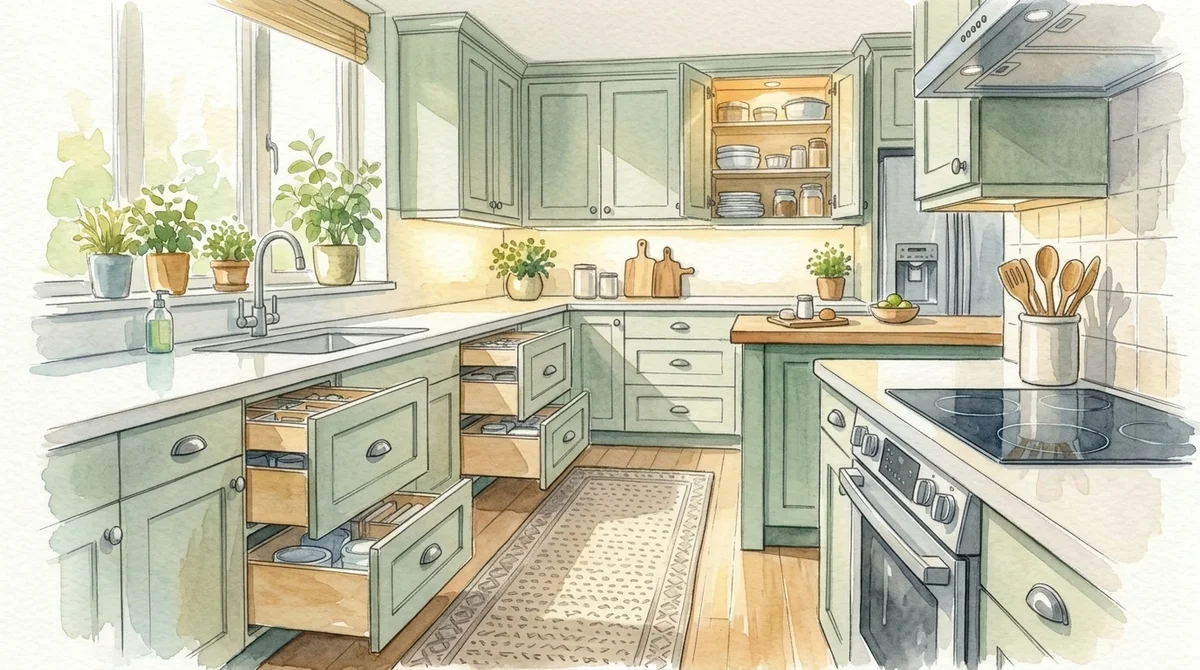
A daily check-in gives everyone a steady signal that a parent is doing alright. A shared family circle means a daughter three states away and a neighbor next door can see the same thing and trade off without dropping the ball. The important information, medicines, documents, the emergency plan, lives in one calm place instead of a kitchen drawer. And the Home Safety Check helps families spot the risks in a rural home before they become a fall or a hospital trip.
We are live today, with families in rural and small-town communities already using this. We are learning from them, improving every week, and soon we will open the doors to everyone.
Frequently asked questions
What makes senior care different in rural areas?
Rural senior care is shaped by distance and thin services. Facilities, specialists, and transport are far away or absent, so families rely more on home-based support and coordination than on the local care options a city family would have.
Can a rural senior safely stay in their own home?
For most rural seniors, yes, with the right setup. That means a safe home, a clear emergency plan, a regular rhythm of contact, and a way to adjust as needs change. Families should also name in advance the situations where home may no longer work.
How can I help my parent if I live far away?
Build a steady picture of how they are doing. Set a regular check-in, keep the key information in one shared place, and bring in nearby helpers so the load is shared. Tools that let everyone see the same updates make distance far more manageable.
What should I do if there is no assisted living nearby?
Treat home as the plan, not the fallback. Focus on home safety, healthcare access through telehealth, transportation for essential trips, and a coordinated circle of family and neighbors. This is the reality for most rural families, and it can work well.
How do families keep track of a rural parent's wellbeing?
The families who do this well use a regular check-in, one shared place for important information, and a tool that lets everyone who helps see the same updates. That turns a guessing game into a clear, shared picture.
Sources: U.S. Census Bureau; University of North Carolina Cecil G. Sheps Center for Health Services Research; U.S. Centers for Disease Control and Prevention.