5 Decisions to Thrive at Home As You Age

About 77% of adults over 50 want to stay in the home they already live in. That number, from AARP's 2024 Home and Community Preferences survey, has barely moved in a decade. The desire is settled. The hard part is everything that comes after.
Staying home is not a single decision. It is five smaller ones, made in roughly this order. Most families get tangled because they try to make decision four before they have made decision one.
1. Decide what "home" actually means to you
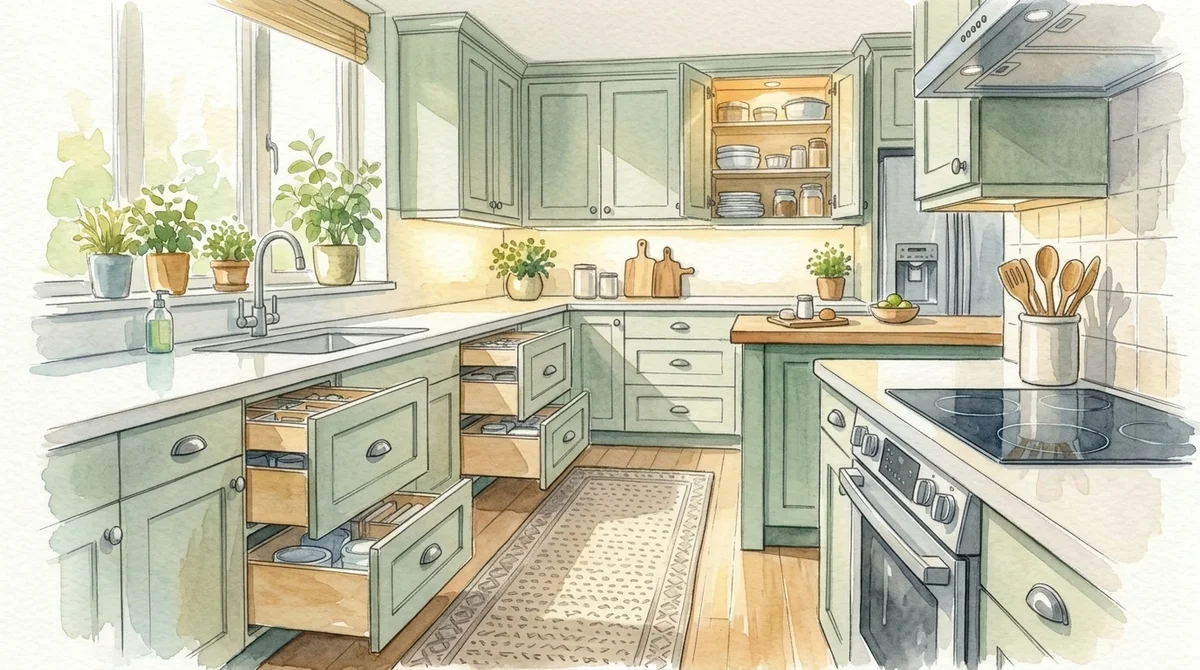
Before anyone modifies a bathroom or buys a railing, name the thing you are protecting. For some people it is the kitchen window and the morning light. For others it is the neighbors, the church two blocks away, the dog who knows every corner of the yard.
This is not sentimental. It is strategic. The clearer the answer, the easier every later decision becomes. A grab bar is not an emotional question, but the decision to install one is. People accept changes that protect what they love. They resist changes that feel like a takeover.
2. Walk the house with fresh eyes
Most falls happen in places people have walked safely for forty years. The CDC reports that one in four adults over 65 falls each year, and the majority of those falls happen at home, in familiar rooms.
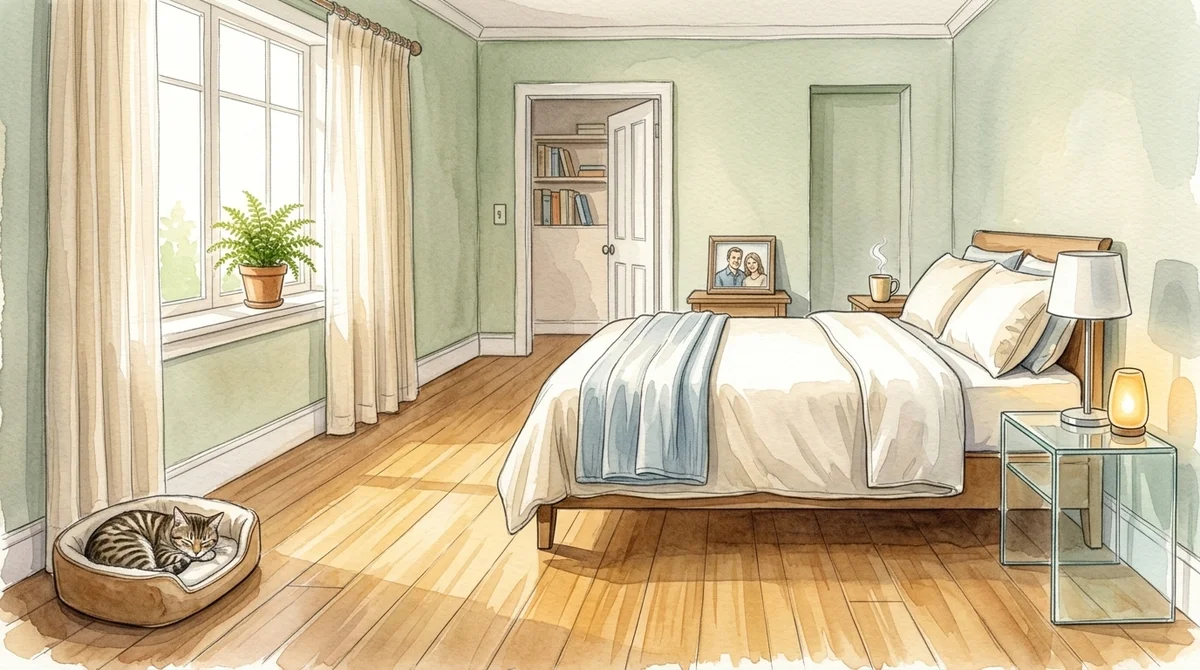
The bathroom does the most damage. Stairs come next. After that, the bedroom in the dark.
You do not need a clinician to spot most of the risk. You need a quiet hour, a notepad, and someone willing to be honest. Walk from the front door to the bed you sleep in. Mark every spot where you have ever felt unsteady, even for a second. That is your starting list.
If you want help, our Home Safety Check at SeniorThrive walks through the same path room by room and gives you a prioritized list, not a score that scares you. It is built to help, not to grade.
3. Choose the changes that pay back the most
Not every modification is worth the money or the disruption. A few do most of the work.
- Bathroom traction and grab bars. Non-slip flooring near the tub, a grab bar at the toilet, a second one in the shower. The single highest return for the dollar.
- Lighting on the path from bed to bathroom. Motion-activated, low-glare. Falls at 2 a.m. are almost always preventable.
- One sturdy chair in every room you spend time in. Firm seat, real armrests. A body that has something to push up from stays mobile longer.
- Stair handrails on both sides. If your home has stairs and only one rail, you are using half the safety equipment you paid for.
- Clear the path. Rugs that slide, cords across walkways, a basket of shoes by the front door. Three small fixes that prevent a lot of bad nights.
4. Decide who knows what, and when
The conversation older adults dread most is the one that ends with their car keys on the kitchen table and a stranger from a home care agency in the living room. That conversation can almost always be avoided if a smaller, earlier one happens first.
Pick two or three people who will know the basics. Where the medications are. Which doctor to call. Who has the spare key. What "I am fine" actually means on a bad day, and what it does not mean.
This is not surveillance. It is the same thing every adult has done at every stage of life: making sure the right person hears the right thing at the right time. Inside SeniorThrive, families share this kind of context through a private ThriveCircle. Outside of it, a shared document and a list of phone numbers works fine.
5. Plan for the day something changes
Most families wait for a fall, a diagnosis, or a hospital stay to make the hard calls. By then everyone is exhausted and frightened, and the decisions get made by whoever is in the room.
You can do better than that with one hour. Write down what you would want if you could not be home for a week. Write down what you would want if you could not climb stairs for a month. Write down what would have to be true for you to consider leaving the house, and who you would want making that call with you.
Then put it somewhere your family can find it. Not because anything is about to happen. Because the version of you who wrote it down clearly is the one you want speaking when the moment comes.
The point
Thriving at home as you age is not a fight against the body. It is a series of small, ordinary decisions made in the right order, with the right people in the loop. Make decision one and decision five first. The middle three get easier from there.
If you want a starting point, the Home Safety Check at SeniorThrive is free to try, takes about ten minutes, and ends with a list of changes ranked by impact. No clinical jargon, no fear. Just the next thing to do.