Falls Prevention Awareness Week 2026: A Seven-Day Plan for Your Home
Falls Prevention Awareness Week runs September 21 to 25, 2026, with Falls Prevention Awareness Day on Tuesday, September 22, the first day of autumn. Coordinated nationally by the National Council on Aging's National Falls Prevention Resource Center, the week is officially recognized by Congressional resolution.
Most material published for this week is a checklist. We have reviewed dozens of them. They are thorough, accurate, and almost never completed, because a forty-item home audit feels like a massive project and few people have a free Saturday to give it.
This page is built differently: Seven days. One change a day. Five minutes each.
You do not need to buy anything to begin. Five of the seven days cost nothing at all.
What can you actually change in five minutes?
More than you think. The adjustments that matter most are small, quiet, and highly specific.
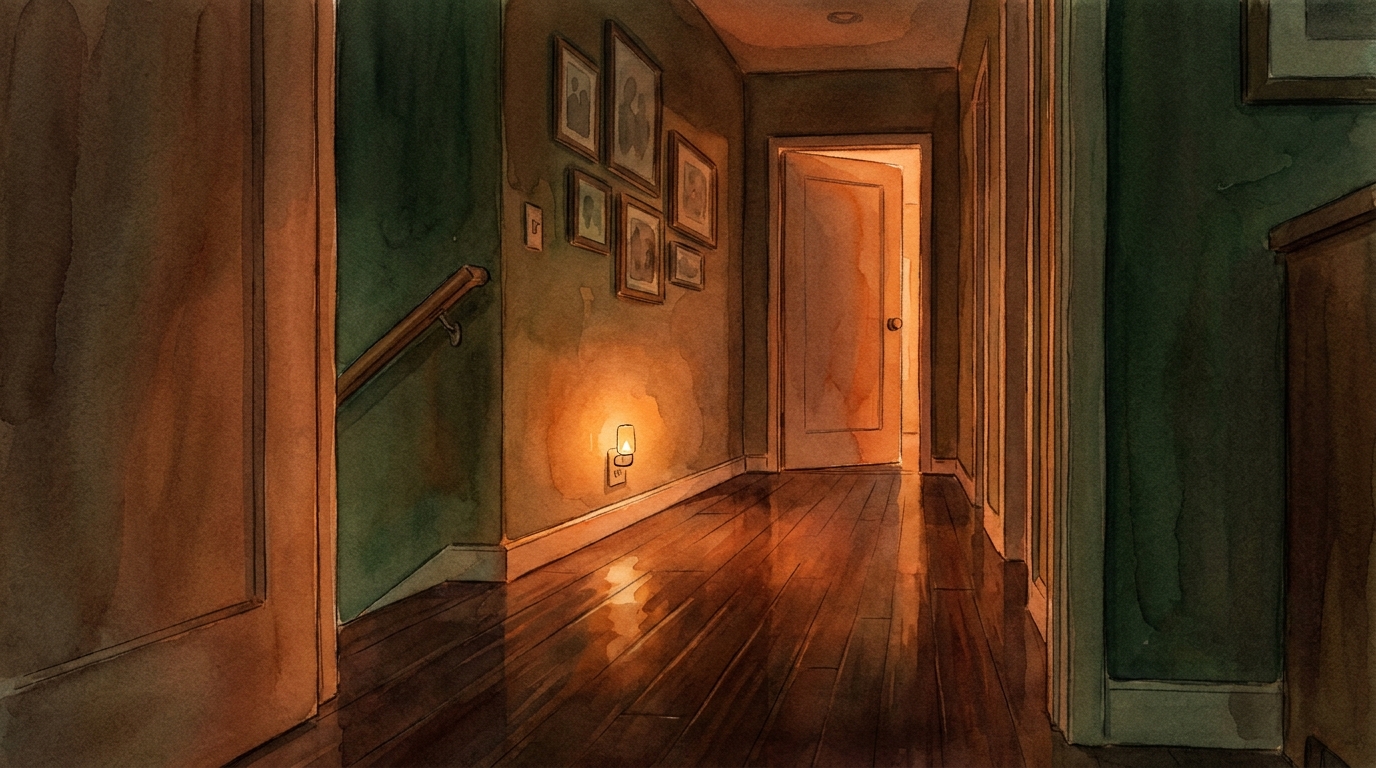
- Monday: Lights. Walk from your bed to the bathroom as if it were two in the morning with the lights off. Notice where the shadows fall. That dark stretch is your first priority, and a simple plug-in nightlight solves most of it.
- Tuesday: Floors. Target one rug, one loose cord, or one raised threshold. Do not worry about the whole house today. Pick the single path you walked on Monday and secure or remove the hazard.
- Wednesday: Grip. Stand up from your favorite chair and the edge of your bed. Pay attention to what your hands reach for. If they reach for something unstable, that spot needs a fixed support. Read our guide on whether Medicare covers grab bars for details on costs and coverage.
- Thursday: One list. Care is split across prescribers by design. One doctor prescribes, another adds, a third adjusts, and the only person who has ever seen all of it is you. Gather the whole list, including what you bought without a prescription, and ask a pharmacist to read the lot at once. Most will do it free, and Medicare Part D covers a full review at no cost for people who qualify. Our overview of medication and fall risk has more.
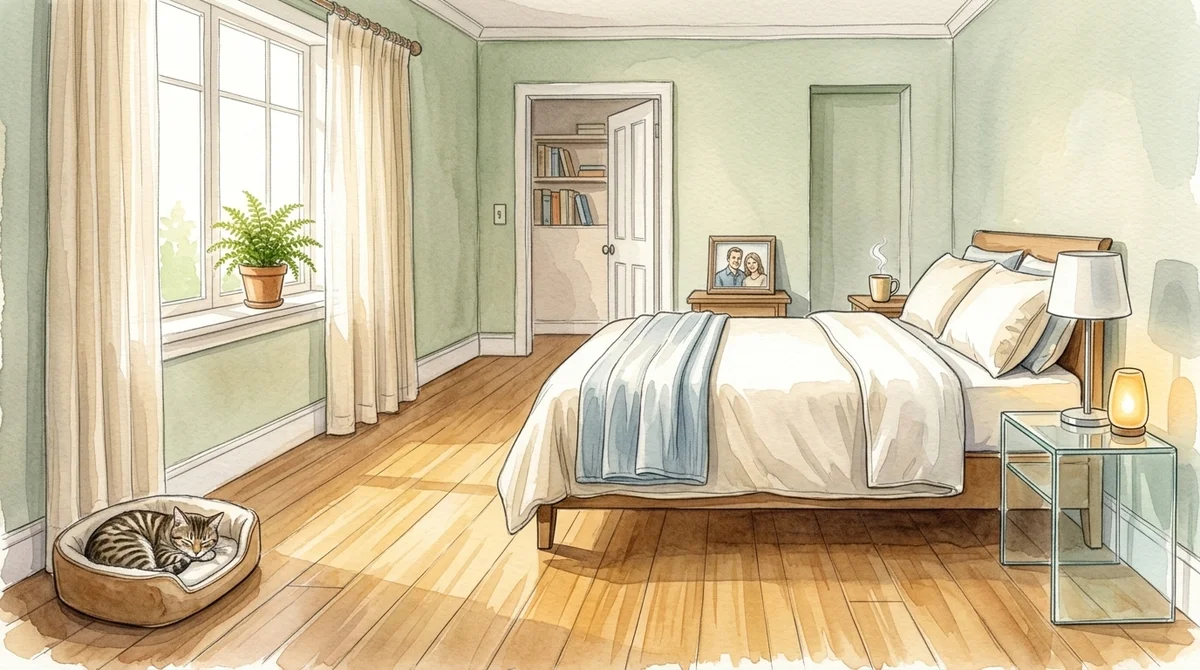
- Friday: A shared Room Check. Walk the trip you make at two in the morning with someone you trust, in person or over a quick video call. In twenty minutes, a structured Room Check gives you a clear, personalized action plan rather than an abstract safety score.
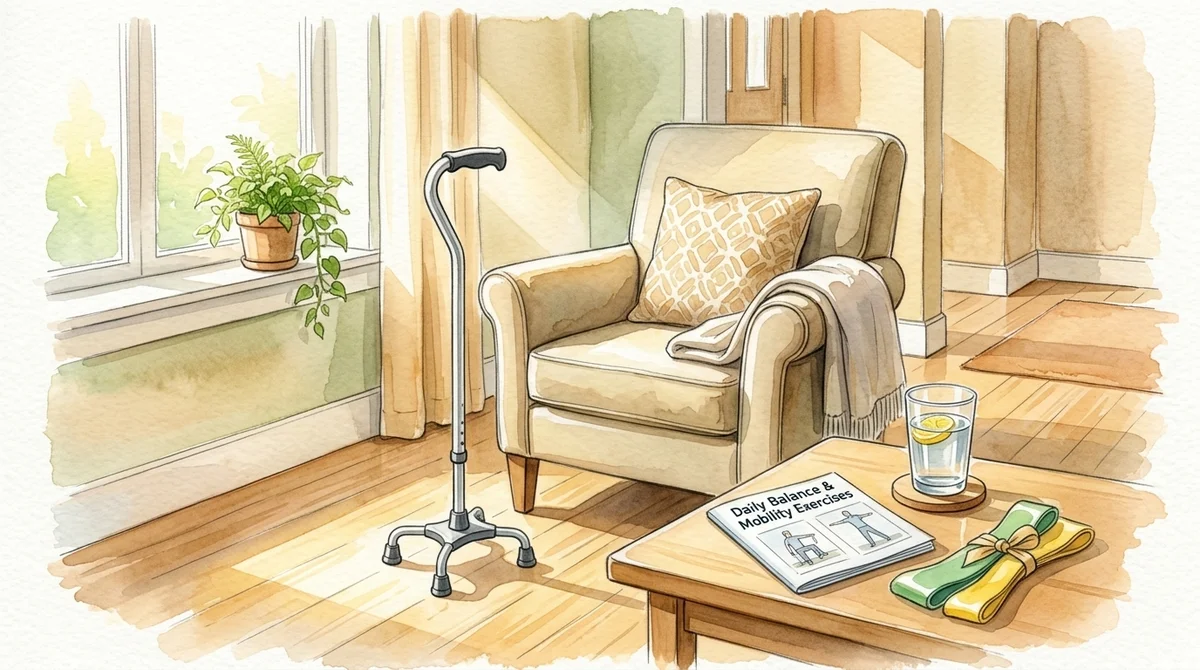
- Saturday: Standing. Most of us stopped standing up without pushing off the arms of a chair years ago and never noticed. A firm dining chair against a wall, a counter within reach in front of you, and five stands while the coffee brews. Hands on your thighs is the starting position, not a concession.
- Sunday: Balance. You already spend two minutes at the bathroom counter twice a day. Same two minutes, less hand: two hands, then one, then fingertips. Balance is not something you have, it is something you keep.
When is Falls Prevention Awareness Week 2026?
Falls Prevention Awareness Week 2026 runs from Monday, September 21 through Friday, September 25. Falls Prevention Awareness Day takes place on Tuesday, September 22. Held every September to align with the start of autumn, the initiative is led nationally by the National Council on Aging.
Our plan carries on through the weekend, to Sunday the 27th. The official week covers the house; Saturday and Sunday are about the person living in it, and that half matters at least as much.
What should you do first if you only do one thing?
Walk the route from your bed to the bathroom in the dark.
That single trip deserves more attention than the rest of the house combined. It is the route people take when they are least awake, least steady, and least inclined to turn on an overhead light. If you accomplish nothing else this week, complete that walk and fix whatever obstacle you encounter.
Who is this week actually for?
Both sides of the conversation, and that distinction matters deeply.
If you are taking these steps for yourself, none of them require admitting a loss of capability. Adding light to a hallway is not a concession; it is standard home design for safety at any age.
If you are guiding a parent, the five-minute framework creates a natural, low-pressure entry point. "Can we spend five minutes making the hallway brighter?" invites collaboration. "We need to talk about your home being unsafe" invites defense. If you are navigating a recent crisis, review our guide on what to do in the first 72 hours after a parent falls.
Where to go deeper
- 10 Easy Fixes You Can Make at Home - the full fall prevention checklist for those who want a comprehensive review.
- How to Get Up After a Fall - essential physical techniques that few people ever practice.
- Common Fall Hazards at Home - room-by-room breakdown of hidden risks.
- Fall Risk Assessment Guide - understand the biological and environmental factors that increase risk.
- Occupational Therapist and CAPS Directory - connect with certified professionals for an expert home assessment.
For community organizers, the NCOA offers an official Falls Prevention Awareness Week Toolkit.
One week is not the point
The awareness week is simply a reason to begin. What preserves independence at home is not a September effort. It is the fact that the hallway light remains lit in February.
Pick one item. Complete it today. Return for the next when you are ready.
Independence at home. Strength together.