Don't Let Fall Risk Be Your Aging-in-Place Barrier
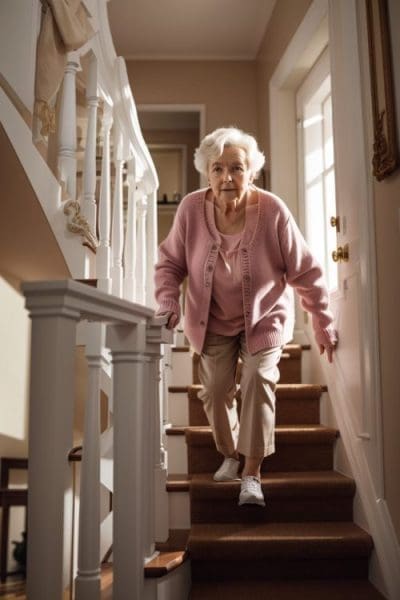
Falling is a common concern for seniors, and it's a major barrier to aging in place. According to data from the Centers for Disease Control and Prevention (CDC), falls are the leading cause of injury-related death for adults aged 65 and over. In fact, every 11 seconds, an older adult is treated in the emergency department for a fall, and every 19 minutes, an older adult dies from a fall.
There are a number of factors that can contribute to the risk of falls for seniors, including poor balance, decreased muscle strength, and medications that can cause dizziness or drowsiness. In addition, environmental factors, such as cluttered living spaces, tripping hazards, and poor lighting, can also increase the risk of falls.
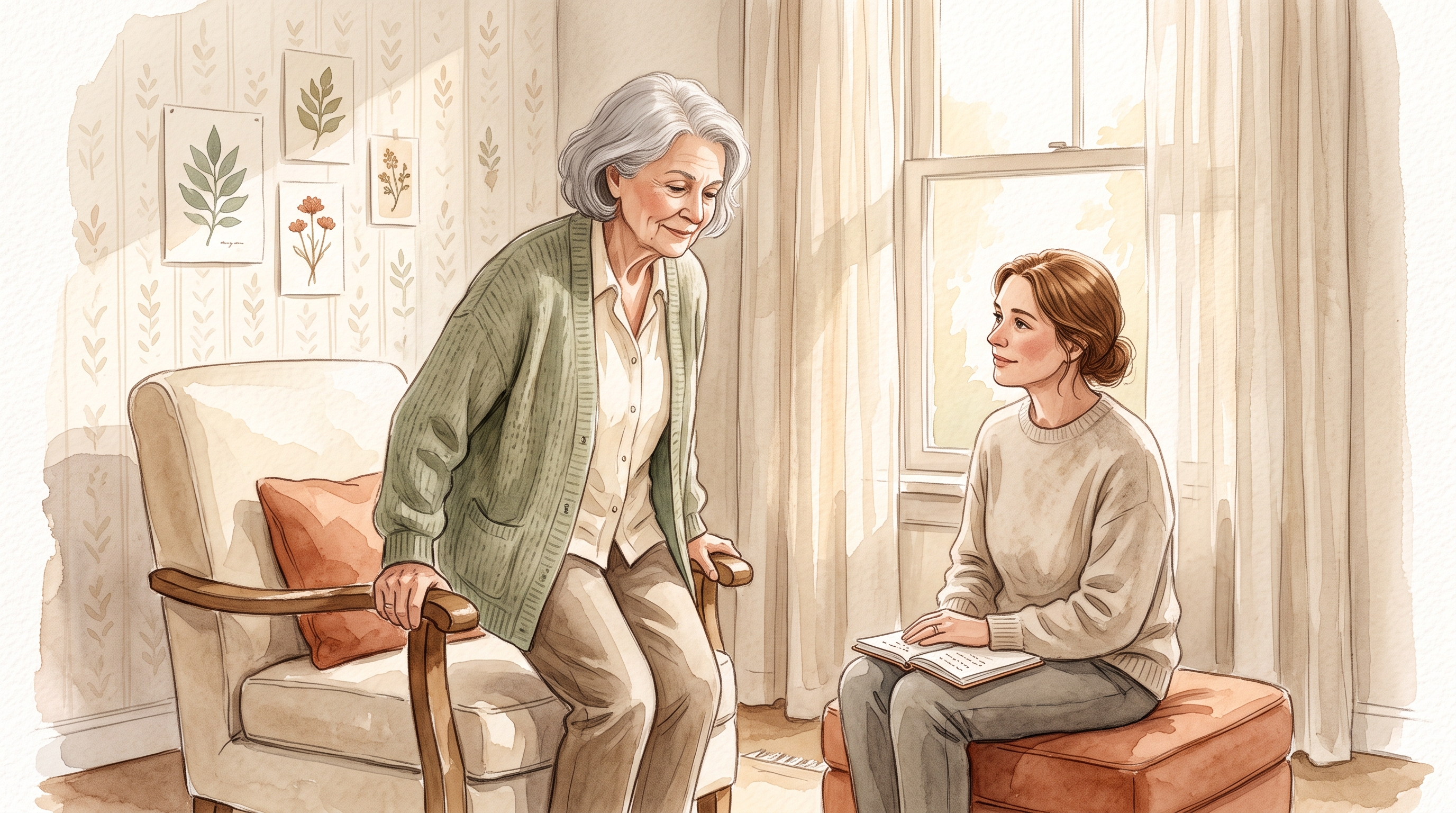
To reduce the risk of falls, it's important for seniors to take steps to improve their balance and strength. This can include exercises such as tai chi or yoga, which can help improve balance and coordination. It's also important for seniors to review their medications with their healthcare provider, as certain medications can increase the risk of falls.
In addition to physical factors, it's also important for seniors to address any environmental hazards in their living spaces. This can include decluttering living areas, removing tripping hazards, and improving lighting in key areas such as the bathroom and near stairs.
There are also a number of assistive technologies and devices that can help seniors reduce their risk of falls and maintain their independence. These can include devices such as bed and chair alarms, fall detectors, and assistive devices for the bathroom, such as shower chairs and handrails.
Overall, fall risk continues to be a major barrier to aging in place for seniors. By taking steps to improve balance and strength, addressing environmental hazards, and utilizing assistive technologies and devices, seniors can reduce their risk of falls and maintain their independence in their own homes. It's important for seniors to work with their healthcare provider and consider all available options to ensure their safety and well-being as they age in place.
If you want to learn more about ways to prevent falling from happening, click here