Solutions That Seniors Need To Prevent Falls
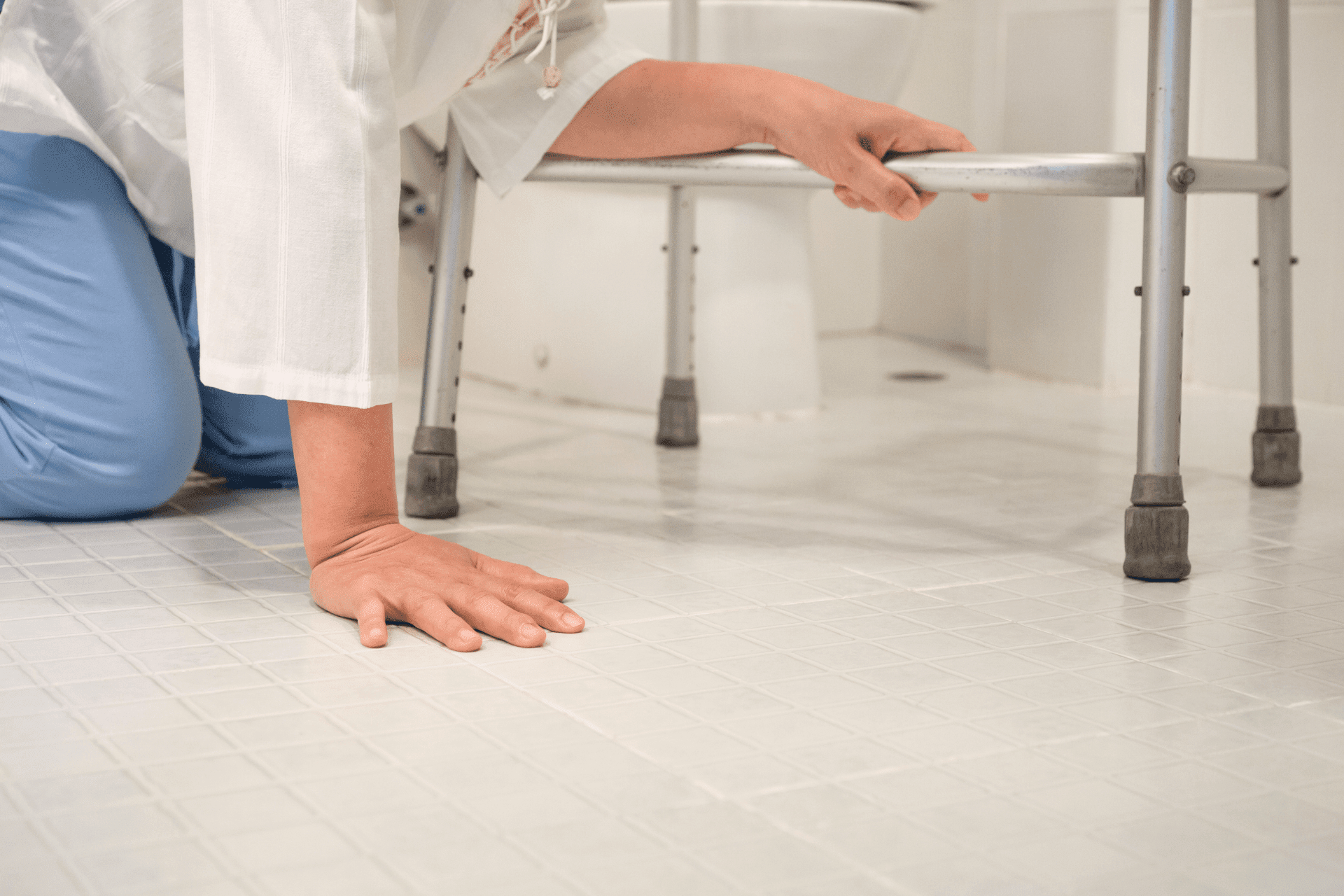
As we age, maintaining our balance and stability becomes increasingly crucial. One of the most significant concerns for seniors is the risk of falling. Falls can result in serious injuries, hospitalizations, and a decline in overall quality of life. However, there are proactive steps seniors can take to prevent falls before they happen. In this article, we'll explore some essential solutions to help seniors stay safe and steady.
1. Home Safety Modifications
Your home should be a safe haven, not a hazard. Consider these modifications to reduce the risk of falls:
- Remove Clutter: Declutter your living spaces to create clear pathways. Ensure that floors are free from loose rugs, electrical cords, and other tripping hazards.
- Improve Lighting: Install brighter bulbs and additional lighting, especially in hallways, staircases, and bathrooms. Nightlights can be a simple yet effective solution.
- Non-Slip Flooring: Replace slippery flooring materials with non-slip options in areas prone to moisture, like the bathroom and kitchen.
- Handrails and Grab Bars: Install handrails on both sides of staircases and grab bars in the bathroom for support.
2. Regular Exercise
Maintaining strength and balance through exercise is crucial. Consider these options:
- Tai Chi: This gentle martial art improves balance, flexibility, and muscle strength. Many community centers offer Tai Chi classes specifically designed for seniors.
- Strength Training: Engage in resistance exercises to build muscle strength, which can help prevent falls. Simple exercises like leg lifts and squats can be effective.
- Walking: Regular walking not only keeps you active but also helps improve balance and coordination.
3. Medication Management
Seniors often take multiple medications, which can have side effects like dizziness or drowsiness. To manage medications safely:
- Review Medications: Regularly consult with your healthcare provider to review your medications and their potential side effects.
- Organize Medications: Use pill organizers to ensure you take the right dose at the right time. Avoid skipping doses or doubling up.
- Stay Informed: Be aware of potential interactions between medications and any adverse effects they may have.
4. Vision and Hearing Check-ups
Regular vision and hearing check-ups are essential for maintaining overall health and preventing falls:
- Corrective Eyewear: Ensure that your eyeglasses or contact lenses are up to date and that your prescription is accurate.
- Hearing Aids: If you have hearing loss, consider using hearing aids to improve your awareness of your surroundings.
5. Foot Care
Our feet play a crucial role in maintaining balance. Keep them in good condition:
- Proper Footwear: Wear well-fitting, supportive shoes with non-slip soles.
- Foot Health: Check your feet regularly for sores, blisters, or ingrown toenails. Seek professional care if needed.
6. Stay Hydrated and Nourished
Proper nutrition and hydration are vital for maintaining strength and cognitive function. Dehydration and malnutrition can lead to weakness and increased fall risk. Eat a balanced diet and drink plenty of water throughout the day.
7. Assistive Devices
If mobility is a concern, consider using assistive devices:
-
- Canes: A cane can provide extra support and stability while walking.
- Walkers: Walkers with wheels and seats offer stability and a place to rest when needed.
- Wheelchairs or Mobility Scooters: These devices can provide greater independence for seniors with mobility challenges.
SeniorThrive!
Making even small changes to your lifestyle and home can make a big difference in your ability to age in place. Your needs, technology, and life will evolve over time. The goal is to be flexible. Adjust when and as needed. Ensure you have the resources (SeniorThrive!) and the support you need (family, friends, caregivers, and SeniorThrive!).