What’s "Normal" for an Aging Parent—and What’s a Medical Red Flag?
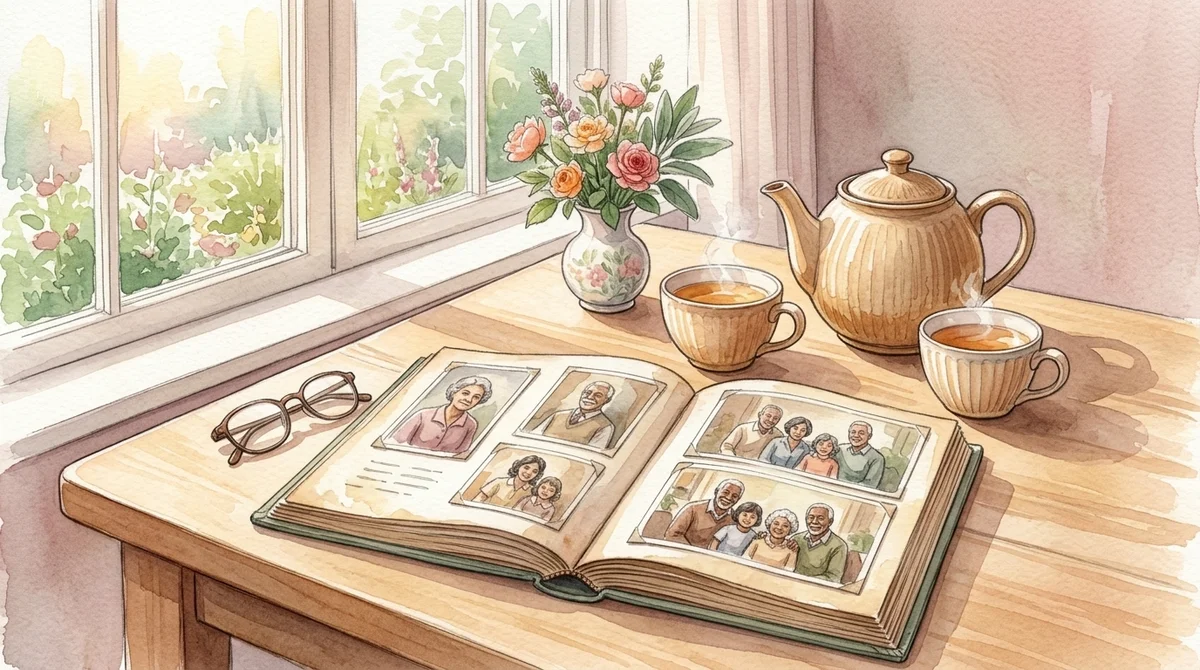
You visit your mother on Sunday afternoon. As you chat over tea, she searches for the name of her lifelong neighbor: "You know, the woman with the golden retriever... oh, what is her name?" Ten minutes later, she remembers: "Margaret!"
Your mind immediately races: Is this the early onset of Alzheimer's disease? Is she safe living alone? Should we be seeing a neurologist tomorrow?
Watching a parent grow older is an exercise in hyper-vigilance. Every paused sentence, slight stumble, forgotten appointment, or uneaten meal can trigger acute panic. But here is the critical medical reality every family caregiver needs to understand: Normal aging changes the speed of the body and mind, but it does not destroy basic functioning.
Furthermore, many of the most dramatic "declines" observed in older adults are not permanent brain disease at all. They are completely reversible physiological disruptions: hidden urinary tract infections (UTIs), medication side effects (polypharmacy), chronic dehydration, or sleep apnea.
Here is your comprehensive clinical guide to distinguishing benign aging from true medical red flags—and the exact protocol to follow when something seems suddenly off.
Concerned About Medication Side Effects or Sudden Changes?
If your parent takes four or more daily prescriptions, unexpected fatigue, dizziness, or confusion may be drug-induced. Explore our free Rx Advocate tool to check for high-risk medication interactions on the Beers Criteria list.
The Clinical Triage: Normal Aging vs. Red Flags
| Body / System | Normal, Expected Aging | Red Flag (Requires Medical Evaluation) |
|---|---|---|
| Memory & Cognition | Occasionally misplacing car keys; taking longer to recall names or movie titles; forgetting an acquaintance's birthday. | Forgetting what keys are used for; getting lost on familiar neighborhood roads; placing items in bizarre locations (e.g. an iron in the freezer); inability to manage familiar bank balances. |
| Mobility & Balance | Stiffer joints in the morning; walking slightly slower; preferring handrails on stairs. | Unexplained bruises; holding onto walls or furniture while walking ("furniture walking"); dizziness immediately upon standing (orthostatic hypotension); multiple stumbles in a month. |
| Appetite & Weight | Craving slightly sweeter or saltier foods due to dulling taste buds; eating smaller portions. | Unintentional weight loss (>5% in 30 days); a refrigerator filled with expired moldy food; coughing or choking while swallowing liquids; forgetting whether they ate lunch. |
| Sleep & Energy | Waking earlier in the morning; taking a brief 20-minute afternoon nap; lighter sleep cycles. | Sleeping 14+ hours a day; daytime somnolence where they nod off mid-conversation; reversed day/night sleep cycles; dramatic apathy or refusal to leave bed. |
| Mood & Temperament | Becoming more set in their routines; disliking sudden disruptions to plans. | Sudden paranoia (accusing family or neighbors of stealing); explosive uncharacteristic anger; profound withdrawal from lifelong hobbies. |
The Number One Reversible Crisis: Sudden Acute Confusion (Delirium)
If your parent was clear-headed on Tuesday and by Thursday is disoriented, hallucinating, or unable to carry a train of thought, this is not Alzheimer's disease. Dementia develops gradually over years; acute confusion developing over hours or days is delirium, a medical emergency.
In older adults, the most common root cause of sudden delirium is an asymptomatic Urinary Tract Infection (UTI). While younger people experience painful urination and fever, seniors often exhibit zero physical symptoms. Instead, systemic inflammation crosses the aging blood-brain barrier, triggering sudden confusion, agitation, or extreme drowsiness.
What to do: Take your parent to an urgent care or emergency clinic immediately and request a complete urinalysis and metabolic panel. A standard course of antibiotics frequently restores normal cognitive baseline within 48 to 72 hours.
---The Silent Threat: Polypharmacy and the Beers Criteria
More than 40% of adults aged 65 and older take five or more prescription medications daily. When multiple specialists prescribe drugs without coordination, dangerous cross-reactions happen.
Geriatricians rely on the American Geriatrics Society Beers Criteria, a clinical guideline identifying medications that carry severe hazards for seniors. Common culprits include:
- First-Generation Antihistamines (Diphenhydramine / Benadryl): Often found in over-the-counter sleep aids (Tylenol PM, ZzzQuil). They cause severe anticholinergic effects: acute urinary retention, dry mouth, blurred vision, dizziness, and intense confusion.
- Benzodiazepines (Alprazolam / Xanax, Lorazepam / Ativan): Prescribed for anxiety or insomnia, they double the risk of catastrophic falls and motor vehicle accidents in seniors.
- Proton Pump Inhibitors (Omeprazole): Long-term use impairs calcium and magnesium absorption, accelerating bone density loss and bone fractures.
- Blood Pressure Over-Medication: Aggressively lowering systolic blood pressure below 110 mmHg often causes severe lightheadedness upon standing, resulting in falls.
The Fix: Bring every medication bottle—including vitamins, eye drops, and over-the-counter pills—in a "brown bag" to the primary care physician twice a year for a thorough deprescribing review.
---Hydration and Nutrition: Why "Drinking When Thirsty" Fails After 70
The human sensation of thirst dulls dramatically with age. By the time an 80-year-old feels thirsty, their body is already significantly dehydrated. Chronic low fluid intake leads to:
- Constipation and fecal impaction (which itself causes confusion and nausea).
- Low blood volume leading to sudden orthostatic drops and fainting.
- Electrolyte imbalances (especially sodium and potassium), which trigger cardiac arrhythmias and cognitive fog.
Practical Hydration Routine: Do not tell your parent to "drink eight glasses of water." Instead, build fluid intake into concrete daily anchor routines: one full glass with morning pills, herbal tea at 10 AM, a bowl of soup at lunch, fruit juice in the mid-afternoon, and water with dinner.
---Home Care vs. Home Health: Which One Does Your Parent Need?
When an older adult requires extra assistance, families often confuse Home Health Care with Non-Medical Home Care. They are completely different services funded through different channels:
| Feature | Home Health Care (Clinical) | Home Care / In-Home Aides (Personal Care) |
|---|---|---|
| What It Provides | Skilled nursing, physical therapy, wound care, occupational therapy, speech therapy. | Assistance with bathing, dressing, meal preparation, medication reminders, housekeeping, companionship. |
| Who Pays | Medicare Part A/B pays 100% when prescribed by a doctor following a hospital stay or clinical decline. | Private pay out of pocket ($28–$42/hour), Long-Term Care Insurance, or Medicaid waivers (such as CDPAP or CDS). |
| Duration | Short-term (typically 30–60 days) to rehabilitate after an acute medical event. | Ongoing, long-term support ranging from a few hours a week to 24/7 care. |
Frequently Asked Questions
How do you know if an aging parent can safely live alone?
Evaluate their ability to perform Activities of Daily Living (ADLs: bathing, dressing, toileting, transferring, eating) and Instrumental Activities (IADLs: managing finances, tracking medications, driving, cooking). If cognitive impairment causes safety hazards like wandering or forgetting stove burners, independent living requires full-time oversight.
What causes sudden balance problems in seniors?
Sudden balance instability is frequently caused by inner ear infections, orthostatic hypotension (blood pressure dropping upon standing), peripheral neuropathy in the feet, cervical spine stenosis, or newly prescribed blood pressure and psychotropic medications.
Will Medicare pay for non-medical caregivers to help with bathing and cooking?
No. Traditional Medicare does not pay for non-medical custodial care if that is the only type of care needed. However, certain state Medicaid waiver programs (such as Consumer Directed Personal Assistance or PAS) allow qualified seniors to hire personal aides, and some Medicare Advantage plans offer limited home care hours.