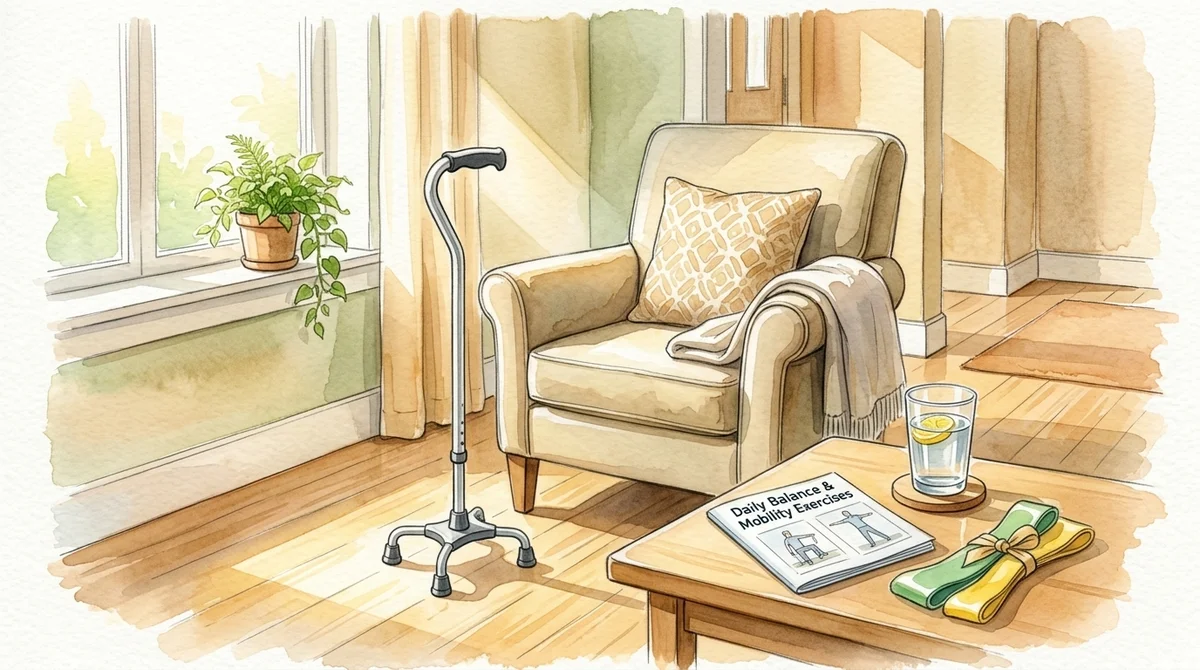
Aging in Place vs. Assisted Living: Which Is Better For Your Budget in 2026?
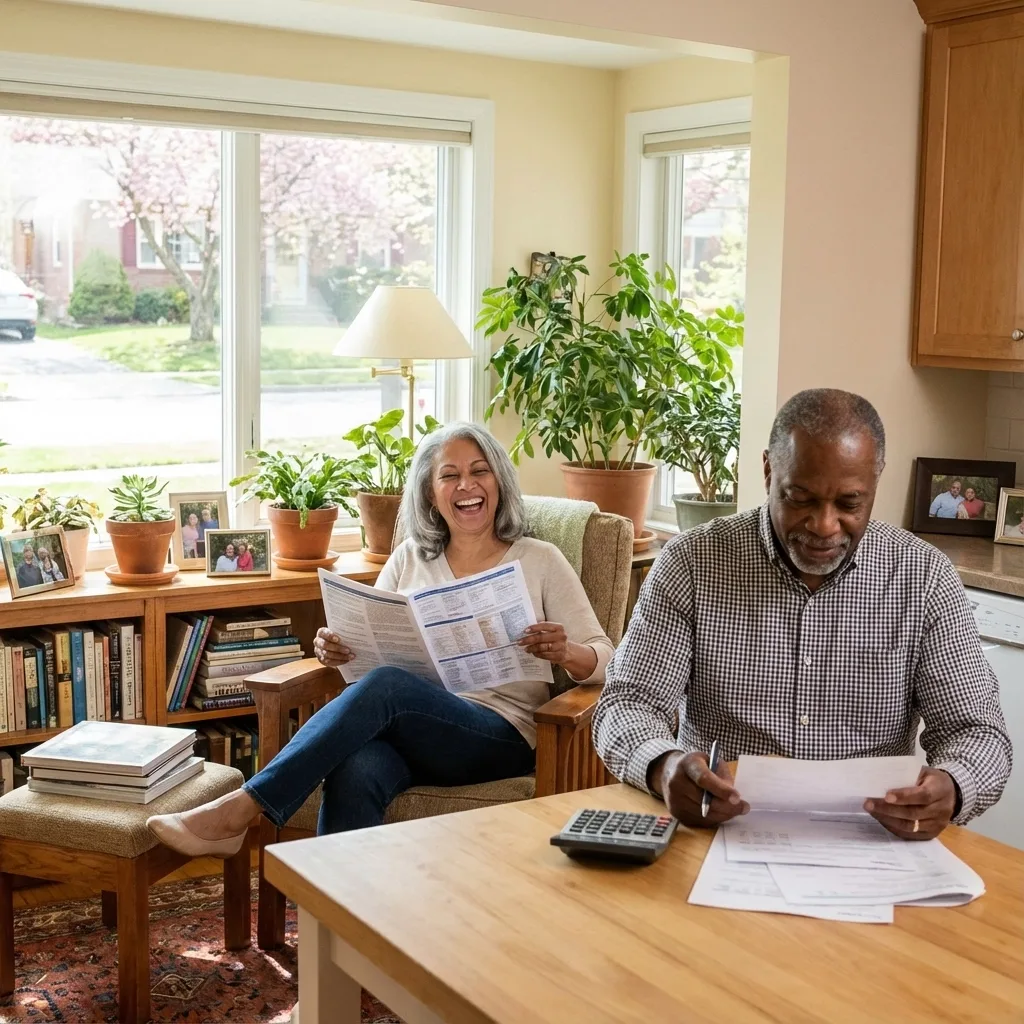
The phone call from Mom changes everything. "I slipped in the shower yesterday, but I'm fine," she says, but you hear the worry in her voice. Suddenly, you're facing the question thousands of families grapple with every day: Is it safer and more affordable for her to stay home with support, or should she move to assisted living?
The answer isn't what it used to be. With 2026 bringing significant shifts in both home care costs and assisted living pricing, the financial landscape has changed dramatically. Let's break down the real numbers so you can make the best decision for your family's budget and your loved one's wellbeing.
The 2026 Reality Check: What the Numbers Actually Look Like
Here's what most families don't realize: the "cheaper" option depends entirely on where you live and how much care is needed. After analyzing cost projections and regional data, assisted living can actually save money in 15 states, while aging in place remains more affordable in others.
The national averages tell only part of the story. Assisted living now runs about $6,244 monthly (up from $4,995 in 2024), while aging in place costs vary wildly: from $200 monthly for someone with family support to over $6,500 for full-time professional care.

Aging in Place: The Hidden Costs Nobody Talks About
The Upfront Investment
Before anything else, most homes need safety modifications. We're talking $12,000 to $16,000 for basics like grab bars, shower seats, stair lifts, and better lighting. Sarah from Portland discovered this when her 78-year-old father fell twice in one month. "The occupational therapist's home assessment was eye-opening," she says. "We thought we just needed a few grab bars, but ended up spending $14,000 to make the house truly safe."
Monthly Reality for 2026
If family can handle most caregiving duties, monthly costs stay reasonable: around $400 to $1,200 for utilities, maintenance, property taxes, and occasional help. But here's where many families get caught off-guard: professional in-home care now averages $32 per hour (up from $30 in 2024).
Need someone there 40 hours a week? That's $66,560 annually. Need 24/7 coverage? You're looking at $140,000+ per year.
The Geographic Reality
Location makes or breaks this option. In Hawaii, utility bills alone average $8,400 annually. New Jersey residents face property taxes around $11,000 yearly. Meanwhile, families in South Dakota or Nebraska might spend half that on basic home expenses.
Assisted Living: What You're Really Paying For in 2026
The New Price Point
Assisted living facilities are feeling the pressure of inflation, staffing shortages, and increased demand. The median cost has jumped to approximately $6,244 monthly: that's $74,928 annually. In premium markets like San Francisco or Manhattan, you're looking at $8,000+ monthly.
But here's what that covers: housing, meals, basic personal care, medication management, 24/7 staff availability, social activities, and transportation. When you add up those services separately for home care, assisted living often becomes the bargain.

The Regional Advantage
South Dakota residents still hit the jackpot: quality assisted living averages just $4,200 monthly ($50,400 annually). Utah follows at $4,800 monthly. These states offer first-year savings of $60,000+ compared to full-time home care, with ongoing annual savings of $50,000+.
Beyond the Monthly Fee
Most families forget about entrance fees (ranging from $25,000 to $500,000+ for continuing care communities), moving costs, and the emotional cost of downsizing decades of belongings. But they also underestimate the peace of mind that comes with predictable monthly expenses.
Making the Numbers Work: A Decision Framework
Choose Aging in Place When:
Family members can provide 20+ hours of weekly care
Your loved one needs minimal assistance (medication reminders, light housekeeping)
You live in a low-cost area with reasonable property taxes
The home is already modified or needs less than $10,000 in updates
Your monthly aging-in-place costs stay under $4,000
Consider Assisted Living When:
Professional care needs exceed 30 hours weekly
You live in an expensive state where home maintenance costs are high
Family caregivers are burning out or unavailable
Social isolation is becoming a serious concern
Your total monthly aging-in-place costs exceed $6,000

The Technology Game-Changer
Here's where the conversation gets interesting. Technology platforms like SeniorThrive are changing the aging-in-place equation by reducing the need for constant human oversight. Smart home monitoring, medication reminders, fall detection, and family communication tools can extend the time someone can safely live independently: potentially saving thousands monthly in professional care costs.
Tom's family in Denver installed comprehensive home monitoring for his 82-year-old mother after she had a minor stroke. "The system gives us daily updates on her activity, medication compliance, and any concerns," he explains. "We went from considering $5,000 monthly for home care to spending $200 on technology that keeps everyone informed and helps her stay independent."
Your 2026 Budget Planning Worksheet
Step 1: Calculate Your Aging-in-Place Costs
Home modifications needed: $______
Monthly utilities/maintenance: $______
Property taxes (annual): $______
Professional care hours needed weekly: _____ × $32 = $______ monthly
Family caregiver availability: _____ hours weekly
Step 2: Research Local Assisted Living
Average monthly cost in your area: $______
Entrance fees or deposits: $______
Services included vs. additional costs
Wait list status at preferred facilities
Step 3: Factor in the Intangibles
Family caregiver stress and sustainability
Social isolation concerns
Safety and emergency response needs
Long-term care progression planning

The Bottom Line for 2026
The math is straightforward once you have real numbers. If aging in place requires more than 35 hours of professional care weekly, assisted living becomes cost-competitive in most markets. If family can provide substantial support and home modifications are minimal, aging in place typically saves $20,000 to $40,000 annually.
But don't make this decision on cost alone. The 85-year-old who thrives with family nearby and familiar surroundings might struggle in assisted living regardless of the price. Conversely, someone isolated at home might bloom in a social assisted living environment, making the extra cost worthwhile.
Take Action This Week
Start with a professional assessment. Many occupational therapists offer home safety evaluations that identify modification needs and care requirements: giving you the real numbers to work with rather than guesswork.
Get quotes from three local assisted living facilities and document what's included versus additional charges. Most facilities offer trial stays or day visits that help families understand the actual experience beyond the marketing materials.
Consider technology solutions that might extend safe independent living. A comprehensive monitoring system costs less than one week of professional home care but might provide months or years of additional independence.
The right choice isn't about finding the cheapest option: it's about finding the most sustainable solution that honors your loved one's preferences while protecting your family's financial future. Start gathering real data this week, because the decision gets harder the longer you wait.