Aging in Place vs. Assisted Living: How to Decide What Is Right for Your Family

The conversation usually starts with a scare. A fall. A forgotten stove. A phone call that goes unanswered for too long. And suddenly the family is sitting around a table asking a question nobody prepared for: should Mom stay home or move somewhere with more support?
It is one of the most emotionally loaded decisions a family can make. And it deserves better than a pros-and-cons list pulled from a Google search.
What Aging in Place Actually Requires
Aging in place means staying in your own home with the right modifications, support, and daily habits to make it safe and sustainable. It does not mean white-knuckling it alone. It means building a system around the home so it works for you as your needs change.
That system includes physical modifications (grab bars, better lighting, accessible storage), daily wellness habits (movement, nutrition, check-ins), technology that keeps you and your family connected, and access to professionals who can help when something needs attention.
When this system is in place, most people can live safely at home far longer than they expect. The key word is "system." Aging in place without a plan is just staying home and hoping for the best.
What Assisted Living Actually Provides
Assisted living offers on-site staff, meals, medication management, housekeeping, and social programming. For people with complex health needs, cognitive decline, or limited family support, it can be the right choice.
But it comes with tradeoffs. Assisted living costs between $4,500 and $7,000 per month on average, depending on location and level of care. It means leaving your home, your neighborhood, and much of your daily autonomy. And for many older adults, the loss of familiar surroundings has a real emotional and cognitive cost.
This is not an argument against assisted living. It is a reality check. Both options have real benefits and real costs. The right answer depends on the person.
The Questions That Actually Matter
Forget the generic checklist. Here are the questions that get to the truth:
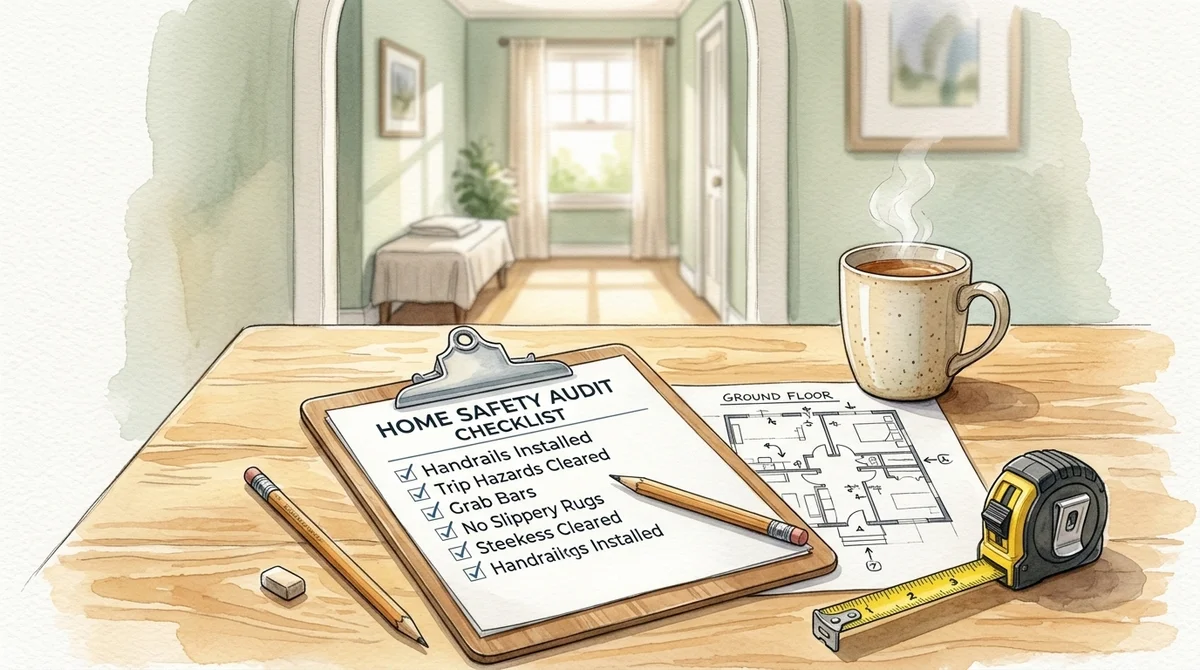
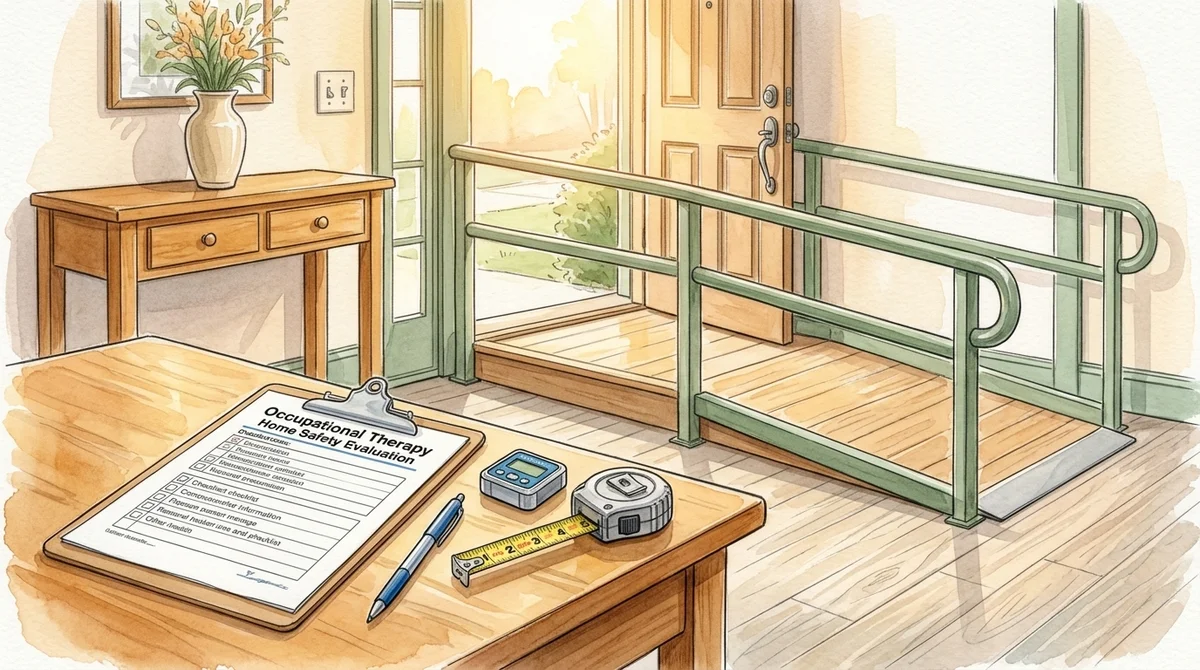
Can the home be made safe? Not "is it safe now?" but "can it be?" Most homes can. A bathroom remodel, better lighting, and a few weekend projects can transform a risky home into a safe one. ThriveVision can show you exactly where your home stands today. Is there a support network? Aging in place works best when there are people involved. Family nearby, friends who check in, a professional network you can call. If the person is truly isolated with no support, the calculus changes. What does the person want? This is the question that gets skipped most often. The adult children are debating logistics while the older adult sits quietly, already knowing what they want. Ask them. Their preference matters more than any checklist. What are the early warning signs? If you are making this decision after a crisis, you are behind. The best time to evaluate is before something goes wrong. A home safety assessment, a conversation about daily routines, a simple wellness check-in. Start now, while the pressure is low.The Third Option Nobody Talks About
The real answer for most families is not "aging in place" or "assisted living." It is aging in place with a real plan.
That means making the home safe, building daily wellness habits, staying connected to family and community, and having a professional support network you can lean on. It means using tools like ThriveVision for room-by-room safety insights, ThriveScore for daily wellness tracking, and ThriveCircle to keep the family coordinated without hovering.
Most people do not need a facility. They need a system. And that system starts at home.
Read our complete guide: The Complete Guide to Aging in Place Safely