Why Gamifying Senior Wellness Works: Motivation, Safety, and Fun for Aging in Place
The Unexpected Power of Play for Older Adults
Remember when getting your kids to brush their teeth was a struggle until you turned it into a game? The same principle works for adults of all ages, especially seniors. The difference between dreading exercise and looking forward to it often comes down to one thing: making it fun.
At SeniorThrive, we've seen firsthand how gamification transforms wellness routines from "should do" chores into "want to do" activities. And the research backs this up, studies show that when seniors engage with gamified health activities, adherence rates increase by up to 40%.
But why does this approach work so well for older adults specifically? Let's explore how gamification tackles the three biggest challenges of aging in place: maintaining motivation, ensuring safety, and finding joy in daily wellness routines.
What Exactly Is "Gamification" for Senior Wellness?
Before diving deeper, let's clarify what we mean by gamification. It's not just about playing video games (though that can be part of it). Gamification means applying game elements, like points, challenges, competition, and rewards, to non-game activities like exercise, medication management, or cognitive training.
For seniors, this might look like:
- A fitness app that awards points for completing daily walks
- A medication reminder system that creates "streaks" for consistent usage
- Virtual reality experiences that turn physical therapy into immersive adventures
- Social platforms where friends compete in step challenges
- Brain training games that track improvement in memory or processing speed
The beauty of this approach is its versatility, gamification can be high-tech or no-tech, depending on preference and comfort level.
Motivation: How Games Keep Seniors Moving
The hardest part of any wellness routine isn't knowing what to do, it's actually doing it consistently. This is where gamification shines brightest.
The Psychology of Motivation
Our brains are wired to respond to immediate rewards and feedback. Traditional exercise advice like "do this for heart health" offers benefits that are important but abstract and distant. Games, on the other hand, provide:
- Immediate feedback and rewards
- Clear goals and measurable progress
- A sense of achievement and competence
- Social recognition and connection
For 78-year-old Margaret, tracking her "step streak" on her smartphone became a daily mission. "I used to make excuses to skip my walk," she told us. "Now I'm out there in light rain because I don't want to break my 60-day streak!"
Overcoming Barriers Through Game Design
Many seniors face unique motivational barriers, physical limitations, fear of falling, or simply years of inactive habits. Well-designed games address these barriers by:
- Starting at appropriate difficulty levels
- Providing adaptive challenges that grow with ability
- Celebrating small wins along the way
- Creating accountability through social connections
The Data Doesn't Lie
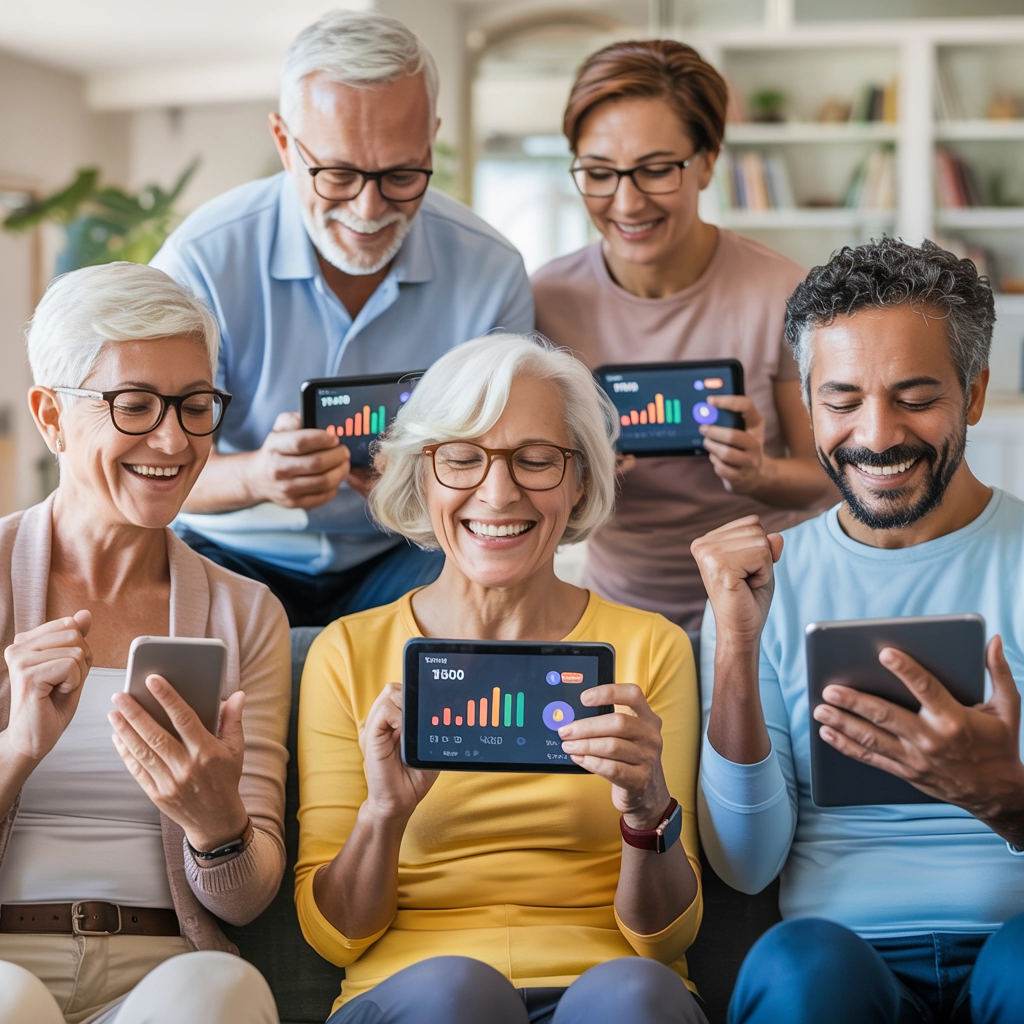
Research consistently shows that gamified approaches lead to better adherence. One study found that seniors using a gamified physical therapy app completed 87% of their recommended exercises, compared to just 38% in the traditional paper-instruction group.
Safety: Gaming Without Risk
Safety concerns often prevent seniors from trying new physical activities. The fear of falling or injury is real and valid, but gamification offers unique solutions.
Controlled Environments
Many gamified solutions allow seniors to:
- Practice movements in controlled, safe environments
- Build confidence through gradual progression
- Receive immediate feedback on form and technique
- Exercise in the safety of their own homes
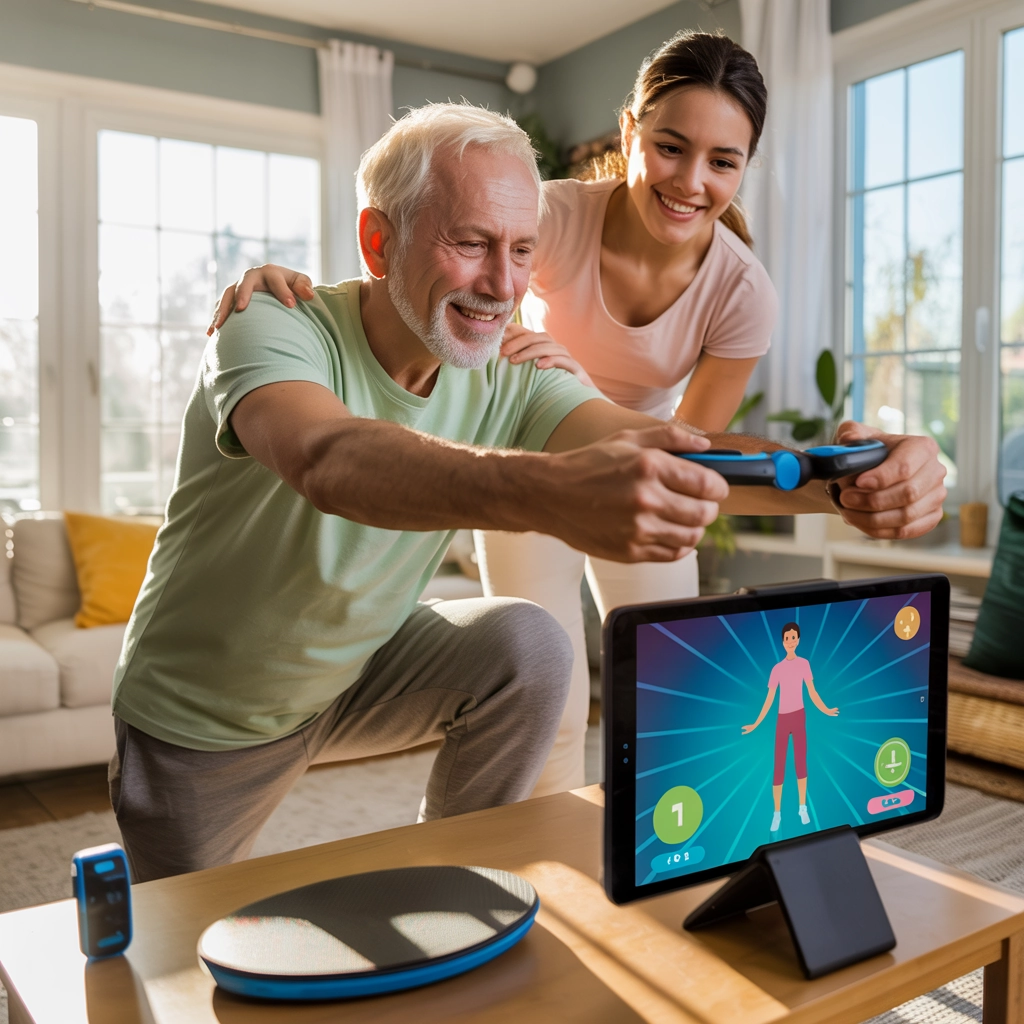
Take virtual reality balance training, for example. Seniors can practice navigating challenging terrain while physically standing on a stable, safe surface, building the neural pathways for better balance without the risk of real falls.
Monitoring and Prevention
The data-tracking inherent in gamified systems also serves a safety purpose:
- Detecting unusual patterns that might indicate health issues
- Providing reminders for medication or hydration
- Alerting caregivers when routines are disrupted
- Encouraging appropriate intensity levels based on personal capacity
John, 82, credits his wellness app with detecting early signs of a problem: "The game showed my reaction time was slower than usual for three days straight. I mentioned it to my doctor, who found I was having a medication interaction. I might not have noticed otherwise."
Fun Factor: Why Enjoyment Matters for Aging in Place
Perhaps the most overlooked aspect of senior wellness is simply enjoyment. We're more likely to continue activities we find pleasant, regardless of age. For seniors aging in place, this fun factor serves multiple crucial purposes.
Combating Isolation Through Social Play
Loneliness and isolation affect nearly 43% of seniors aging at home. Gamified wellness can help by:
- Creating virtual communities around shared activities
- Facilitating friendly competition with peers
- Providing opportunities for intergenerational connection
- Making social interaction a natural part of wellness routines
Cognitive Benefits Beyond the Physical
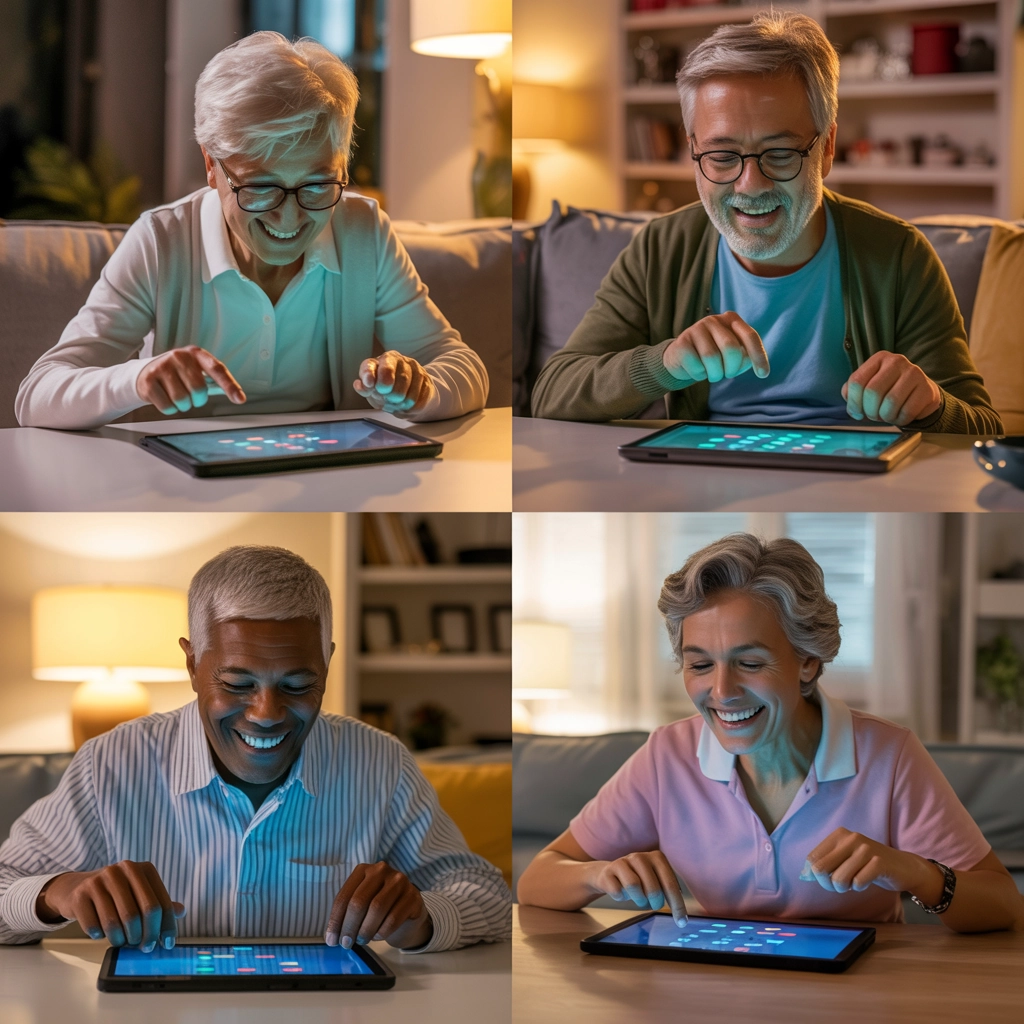
The mental engagement required by games provides cognitive benefits beyond the physical activity itself:
- Strategic thinking and problem-solving
- Memory utilization and formation
- Attention and focus practice
- Learning new skills and adapting to challenges
Rosa, 75, noticed unexpected benefits from her daily brain games: "I started for the memory exercises, but I've found that I'm more engaged throughout the day. I catch myself thinking more clearly about everyday decisions."
Finding Purpose Through Progress
Many seniors struggle with feeling purposeful after retirement. Gamified systems provide:
- Daily challenges and goals
- Visual representation of accomplishments
- A sense of mastery and competence
- Opportunities to help others through shared experiences
Real-World Applications: Gamification in Action
Let's explore how gamification works in practical, everyday scenarios for seniors:
Physical Wellness Games
- Balance and Fall Prevention: VR systems that turn balance exercises into immersive experiences like walking a virtual plank or navigating a boat
- Strength Training: Smart resistance bands that connect to apps tracking repetitions and proper form
- Walking Programs: Step trackers with virtual walking tours of famous locations around the world
Cognitive Wellness Games
- Memory Enhancement: Digital card-matching games that adapt to ability level
- Processing Speed: Reaction-time games that track improvement over time
- Problem-Solving: Strategy games that exercise planning and executive function
Social Wellness Games
- Virtual Clubs: Online communities centered around shared interests with gamified participation rewards
- Family Connection: Intergenerational games that grandparents can play remotely with grandchildren
- Team Challenges: Group goals that encourage seniors to work together toward wellness milestones
Getting Started: Simple Ways to Gamify Senior Wellness
Ready to introduce gamification into your wellness routine or that of a loved one? Start small with these approaches:
For Tech-Comfortable Seniors:
- Start with a simple step counter app that offers rewards for reaching daily goals
- Try brain training games specifically designed for cognitive health
- Explore virtual reality options at senior centers or through home systems
- Join online communities with wellness challenges appropriate for seniors
For Tech-Hesitant Seniors:
- Create a physical chart with stickers or markers to track daily activities
- Develop friendly competitions with neighbors or friends around walking or other activities
- Turn everyday tasks into challenges with simple scoring systems
- Use playing cards or board games that incorporate physical movement
The Future of Senior Wellness Is Playful
As technology advances and our understanding of motivation deepens, we're seeing increasingly sophisticated and effective gamified approaches to senior wellness. At SeniorThrive, we believe that the future of aging in place isn't just about installing grab bars and medical alert systems, it's about creating environments where seniors want to engage in healthy behaviors because they're rewarding, safe, and genuinely fun.
The data is clear: gamification works not because it tricks people into healthy behaviors, but because it taps into fundamental human psychology, our desire for mastery, connection, and enjoyment, regardless of age.
Taking Your First Step
If you're caring for an older adult or are a senior yourself, we encourage you to introduce just one gamified element to your wellness routine this week. It might be as simple as tracking a "streak" of daily walks or joining an online brain games community.
The key is to start small, focus on enjoyment, and build from there. Your future self will thank you for making wellness not just another responsibility, but a highlight of your day.
Ready to explore specific gamified wellness tools for seniors? SeniorThrive offers personalized recommendations and resources to help you or your loved one thrive while aging in place.
Remember: it's never too late to play, and with the right approach, the games we play today can lead to healthier, happier tomorrows.