The Power and Pitfalls of Solo Aging

Here's something that might surprise you: nearly 1 in 4 adults over 65 are aging solo, without a spouse, kids nearby, or that traditional family safety net most people expect to have. But here's what's even more surprising: many of them are absolutely crushing it.
Solo aging isn't just about being alone. It's about rewriting the rulebook on what aging looks like, feels like, and can be. And while it comes with real challenges that deserve honest conversation, it also offers a kind of freedom that's pretty remarkable.
If you're navigating this path yourself, supporting a parent who is, or just wondering what solo aging really looks like, let's dig into both sides of this story.
The Unexpected Power of Going Solo
You Get to Call Every Single Shot
Think about it: when was the last time you made a major life decision without checking with anyone else first? Solo agers do this daily. Want to move to that beach town you've always loved? Do it. Prefer dinner at 4:30 PM? Perfect. Feel like taking a pottery class at 70? Nobody's stopping you.
This isn't just about small choices, it's about life-changing freedom. Solo agers can relocate for better weather, downsize to a cozy apartment, or even travel for months without coordinating with anyone else's schedule, health needs, or preferences.
Your Money, Your Rules
Here's a financial reality that's often overlooked: solo agers can focus their entire retirement savings on themselves. No spouse's medical bills, no helping kids through rough patches, no grandchildren's college funds. Every dollar saved can go toward what truly matters to you, better healthcare, that accessible home modification, or experiences that light you up.
You Build Your Own Chosen Family
Some of the strongest, most supportive communities we see are built by solo agers. Without default family relationships, they get intentional about creating connections. Think book clubs that become lifelines, neighbors who check on each other daily, or volunteer groups that feel like family.
Maria, a 72-year-old in our SeniorThrive community, puts it perfectly: "I didn't get the family I was born into as my safety net, but I built one that's exactly what I need."

The Real Talk: Where Solo Aging Gets Tough
The Isolation Trap is Real
Let's be honest, aging alone can get lonely. Really lonely. And this isn't just about feeling sad; isolation actually increases your risk for depression, heart disease, and cognitive decline. When you're the only one in your house, days can pass without meaningful conversation. Weeks can go by without someone noticing if you're not feeling well.
Healthcare Becomes a Solo Act
Picture this: you're in a doctor's office getting complicated news about a health condition. There's no spouse to ask the questions you forget, no adult child to help process the information later. You're taking notes, making decisions, and managing follow-up care entirely on your own.
Emergency situations are even trickier. Who gets called? Who has your medical information? Who advocates for you when you can't advocate for yourself?
The Money Math Gets Scary
While solo agers can focus their resources on themselves, they also can't spread costs across family members. Home maintenance, healthcare expenses, and potential long-term care all fall on one person's budget. There's no partner to share costs with, no family member who might provide free caregiving when needs arise.
You're More Vulnerable, Period
This is hard to talk about, but solo agers face higher risks of financial exploitation, neglect, and abuse. Without family members checking in regularly, warning signs can go unnoticed. Scammers often target people they perceive as isolated. And if cognitive changes start happening, there might not be anyone close enough to notice and step in.
Your Game Plan for Thriving Solo
Create Your Safety Net Before You Need It
The most successful solo agers don't wait for a crisis to build their support system. They start early:
- Build your village now: Join community groups, volunteer organizations, or faith communities. Make real friends, not just acquaintances.
- Get legal stuff handled: Set up powers of attorney, advance directives, and emergency contacts while you're healthy and clear-headed.
- Find your go-to professionals: Establish relationships with a primary care doctor, a financial advisor you trust, and maybe a geriatric care manager.
Use Technology as Your Backup
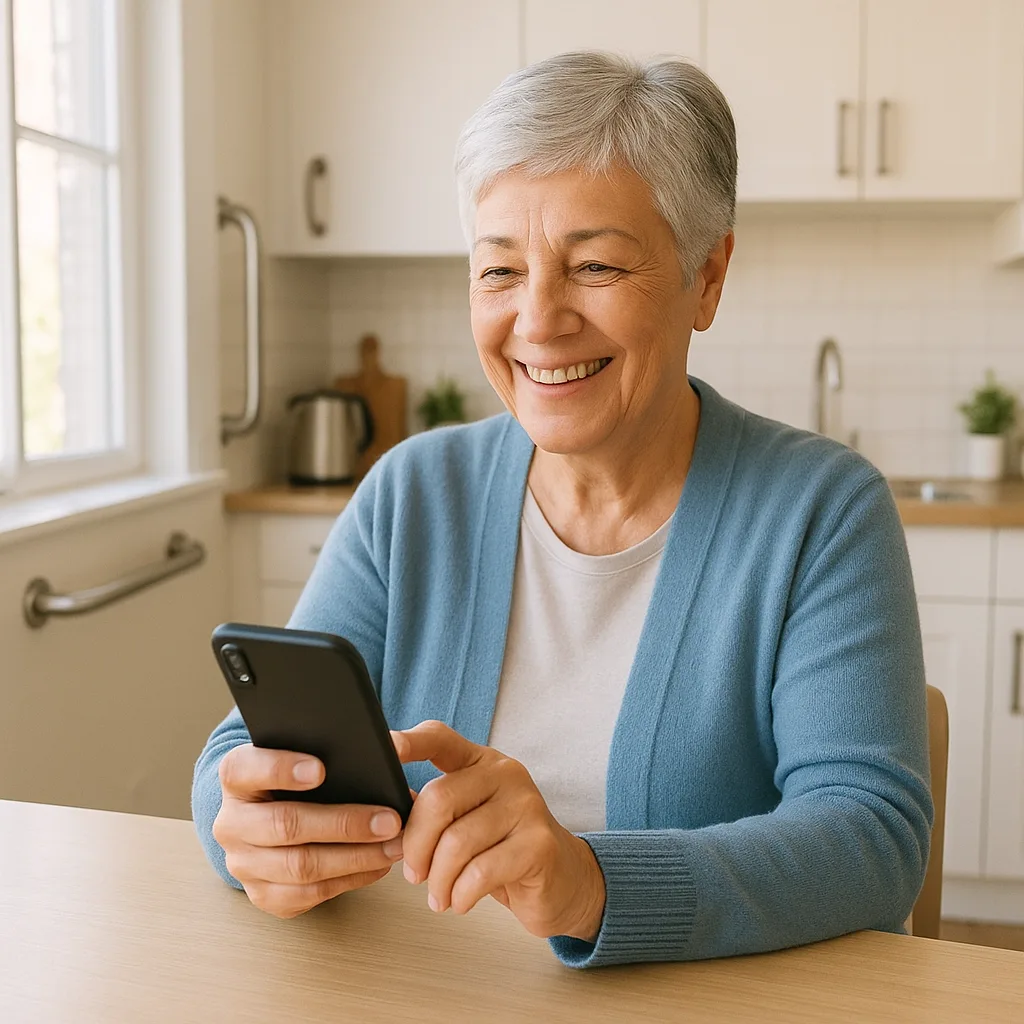
This is where tools like SeniorThrive can be game-changers for solo agers. Our platform helps you:
- Stay connected: Regular check-ins with your chosen family or professional support network
- Monitor your wellness: Track how you're feeling and share updates with people who care
- Assess your safety: Use our home safety tools to spot fall risks or other hazards before they become problems
Think of it as having a caring family member who's always checking in, but without the complicated family dynamics.
Master the Art of Asking for Help
Solo agers who thrive get comfortable asking for what they need. This might mean:
- Hiring a cleaning service instead of struggling with heavy housework
- Using grocery delivery when driving becomes challenging
- Reaching out to neighbors for small favors
- Joining senior programs that offer practical support
Plan for Different Scenarios
The strongest solo agers think through "what if" situations:
- What if you can't drive anymore?
- What if you need help with daily tasks?
- What if your current housing doesn't work?
- What if you need more care than you can manage alone?
Having plans (even rough ones) removes the panic from these transitions.
Stay Physically and Mentally Sharp
When you're your own primary caregiver, taking care of yourself becomes even more critical:
- Keep moving: Regular exercise helps prevent falls, maintains independence, and boosts mood
- Stay mentally active: Learning new things, reading, puzzles, whatever keeps your brain engaged
- Eat well: Good nutrition becomes crucial when there's no one else making sure you're fed
- Sleep better: Quality sleep affects everything from balance to immune function
The Bottom Line on Solo Aging
Solo aging isn't about settling for less, it's about creating a life that works for you, with intention and planning. Yes, it requires more proactive effort than aging with built-in family support. But it also offers freedoms and possibilities that many people with traditional family structures envy.
The key is not pretending you can do everything alone, but being smart about building the right support systems, using helpful tools, and planning ahead.
Ready to Take Control of Your Solo Aging Journey?
Don't wait for a health scare or emergency to start building your support system. SeniorThrive gives you the tools to stay safe, connected, and thriving, whether you're aging solo or want extra peace of mind.
✅ Regular wellness check-ins to track how you're doing
✅ Home safety assessments to prevent falls and accidents
✅ Connection with your support network, chosen family, or professional caregivers
✅ Easy-to-use technology that doesn't overwhelm
Solo aging takes courage. Thriving while solo aging takes the right support.
👉 Start your SeniorThrive journey today and discover how technology can be your safety net, your wellness partner, and your connection to the community that cares about you.