

The Benefits of Walking for Active Agers
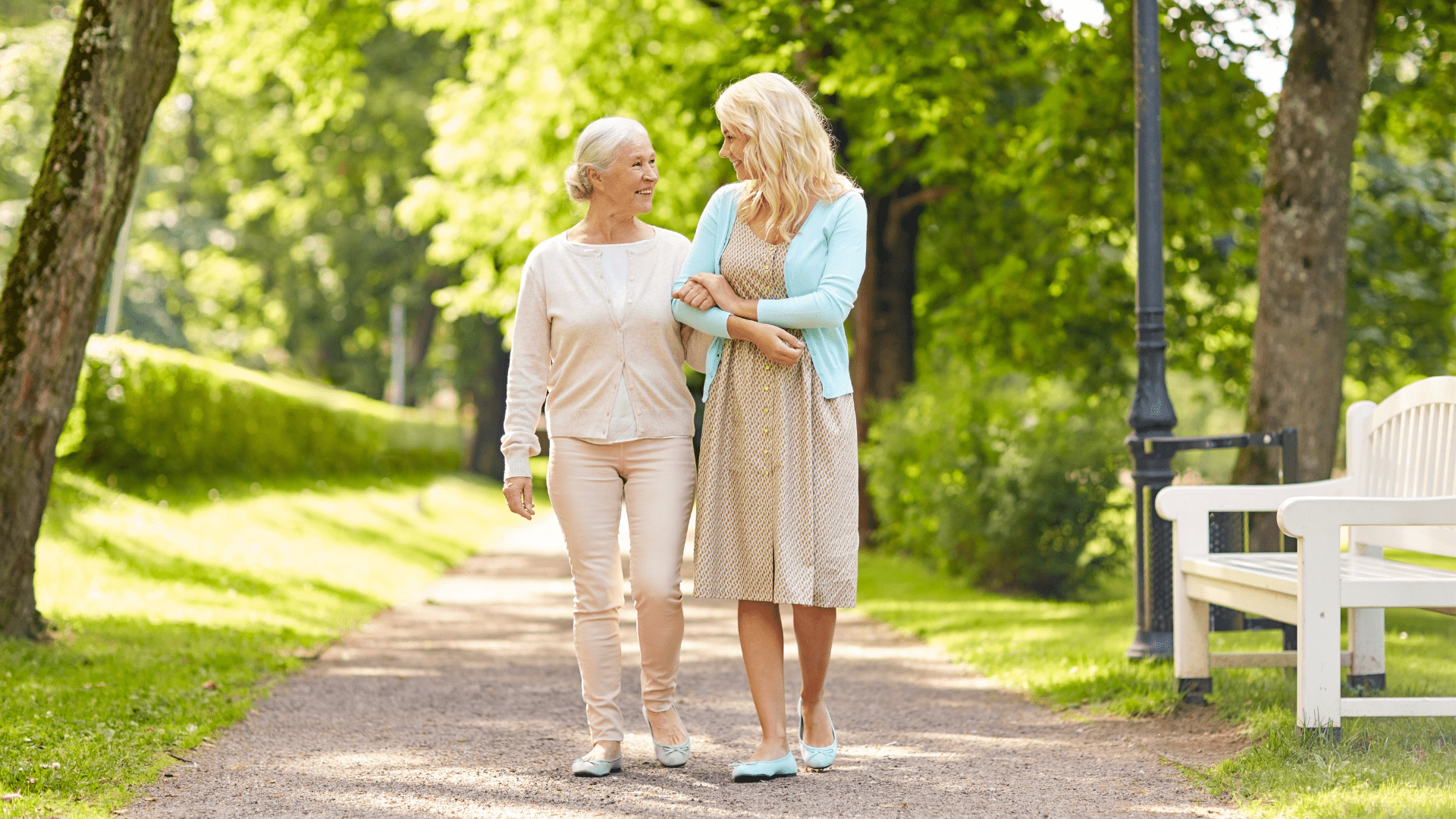
It is recommended by the CDC that individuals aged 65 and above engage in at least 150 minutes of moderate intensity exercise per week. This can be achieved by engaging in 30 minutes of brisk walking per day, for 5 days a week. It is also advised to include strengthening and balancing exercises in one's routine. According to a study conducted by Harvard, starting an exercise program later in life can lead to a longer lifespan and lesser disability. Similarly, researchers in France have found that even a small amount of physical activity can provide numerous benefits when compared to a sedentary lifestyle. Walking is a particularly beneficial exercise for active seniors. However, it is important to consult a doctor before starting any exercise to ensure there are no precautions that need to be taken.
Benefits of Walking for Active Agers
Strengthen your muscles.
Did you know that moving around can help strengthen your muscles? To maximize the benefits of walking, consider carrying dumbbells, using wrist cuffs, or wearing a weighted vest. You can also challenge yourself by walking up and down hills, ramps, or stairs for an added strengthening boost.
Keep Your Weight Steady
Walking burns calories. The brisker the walk, the more calories you burn.
Lower Your Risk Of Many Chronic Diseases
Walking can improve your immune system so you get sick less. It can help to prevent, or improve recovery from heart disease, stroke, colon cancer and diabetes. If you have high blood pressure, walking can help lower it. Taking a walk can strengthen your bones to slow down osteoporosis.
Decrease The Likelihood of Falls
Researchers have determined that people who walk regularly have less falls. Falling can cause injury and jeopardize a person's ability to live independently at home.
Reduce Pain
Walking is a low impact activity that won't stress your joints, Instead of stressing them, walking brings circulation to the joints, ligaments and muscles. Walking also helps to strengthen the muscles around joints, giving more support and reducing pain. It has been shown to ease the pain of arthritis and lower back pain in older people
Slow Cognitive Decline And Dementia
Research has demonstrated that walking can enhance memory and cognitive abilities in older individuals. Additionally, studies have indicated that individuals who are physically active are less likely to develop dementia.
Improve Mental Health
Even just 6 minutes of fast paced activity, such as brisk walking, improved the mood of older adults. Physical activity releases endorphins into the bloodstream, which boosts anyone's mood, whether you were down in the dumps to start with or if you were feeling ok. Being outside in the fresh air and sun while walking could also boost your mood and reduce anxiety.
Improve Your Social Life
One way to socialize and feel more connected is by taking a walk around the neighborhood. While walking, you may naturally come across other people. A friendly greeting and brief conversation can help you feel like you are part of the community. Additionally, you could consider joining a walking group or finding a walking partner for even more social interaction.
Get These Benefits For A Low Cost
To go for a walk, you do not require exercise equipment or a gym membership. All you need are comfortable shoes, which do not necessarily have to be sneakers or specialized in any way. Just ensure that they are comfortable.
Tips
Talk to Your Doctor
Before you start walking, it's important to consult with your physician to ensure that it's safe for you. You should also discuss any walking aids, like a cane, to help with balance. If you experience dizziness, chest pain, shortness of breath, unplanned weight loss, sores that won't heal, or pain while walking, it's important to visit your doctor.
Start Slow
It's important to keep in mind that even small amounts of walking and physical activity can have significant benefits. It's best not to exhaust yourself, especially when starting out. Remember to enjoy yourself, so taking a short walk is a great way to begin. Move at your own speed and maintain a pace where you can talk comfortably while walking. If you can't carry on a conversation, you're probably moving too quickly.
What About The Weather
It's possible that you're particularly sensitive to extreme temperatures, whether it's too hot or too cold outside. To stay comfortable, it's a good idea to monitor the weather and dress appropriately. If it's chilly, don't forget to wear a coat, and even if it's hot, it's still important to wear supportive walking shoes instead of sandals or flip flops. In case the weather is too harsh, you can search for entertaining indoor walking videos on YouTube to keep up with your exercise routine.
Get Motivated
Spice up your walking routine by adding some variety. Visit a local park, take a stroll through a mall, or walk with your furry companion or grandkids. Additionally, exploring a new area of your town can be refreshing. If the weather is unpleasant, watching walking videos on YouTube can be a great alternative. Not only are they entertaining, but they can also serve as motivation to keep going.
Take Safety Precautions
When you go for a walk, remember to bring your phone and some water. Stay alert to your surroundings, particularly if there are unleashed dogs around. Walking with a friend or a group is not only more enjoyable, it's also safer. Walk at a pace that feels comfortable for you and if necessary, use any walking aids that you may require.
SeniorThrive!
What is your strategy for incorporating walking into your life? Let us know at SeniorThrive! We want to help you with whatever you need to keep active and living in your home.