Near Misses in Caregiving: The Real Truth Exposed
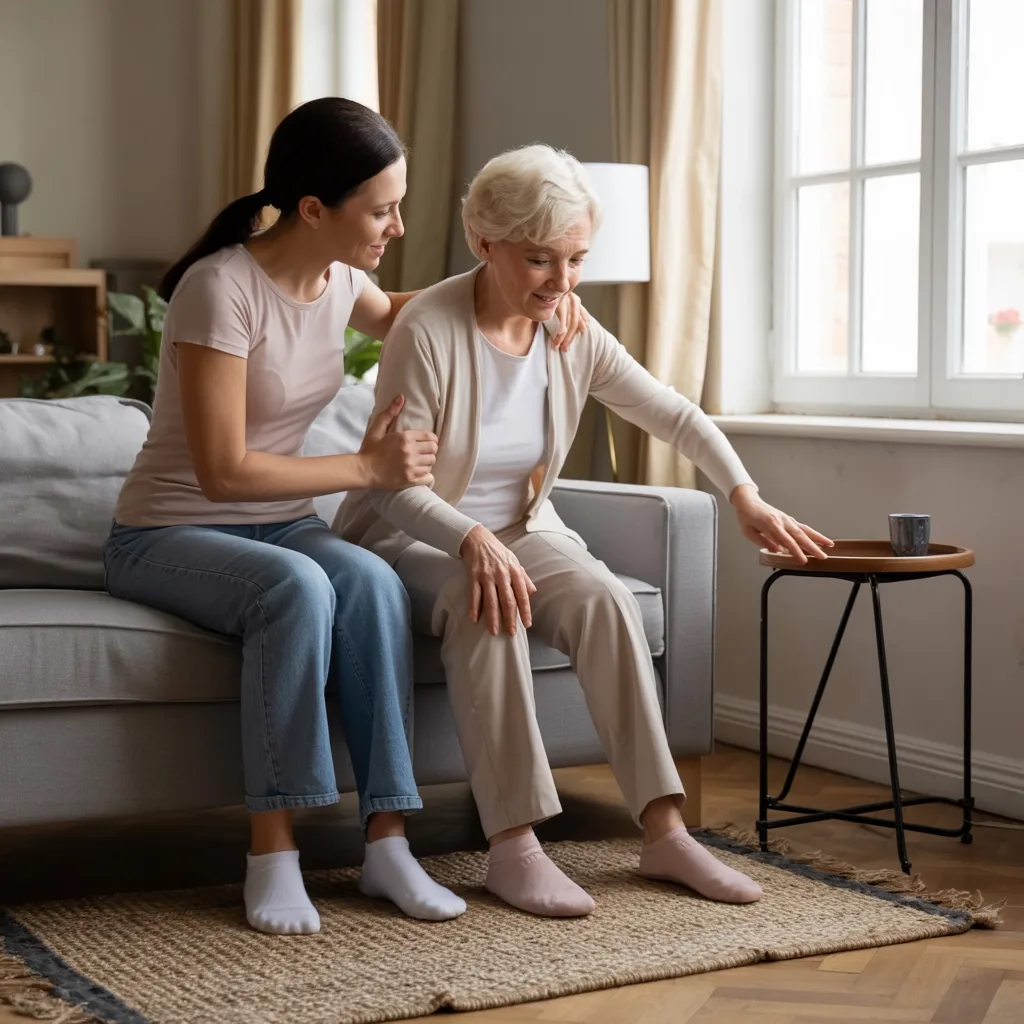
Last Tuesday at 7:42 p.m., Maria caught her mother mid-fall.
A slipper caught the corner of a throw rug as she reached for her tea. Maria lunged, steadied her, and they both laughed it off with shaky hands.
But Maria didn't laugh later. Because she knew what that almost-fall could have meant, another hospital visit, a broken hip, or worse.
If you've been in the trenches of caregiving, you know those moments. The ones you replay in your head long after everyone's safe. The moments that leave you whispering, "That could have been bad."
These are near misses, and they're everywhere.
What Exactly Is a Near Miss in Caregiving?
A near miss is any event that could have caused harm to the person you care for but didn't, because you, or luck, intervened just in time.
- A rug that almost trips someone
- A medication bottle almost mixed up
- A car ride that almost ended in a fall when the seatbelt caught on a walker
They don't show up on charts or ER reports. But they're a gold mine of insight if you pay attention.
Research shows near misses occur up to 300 times more frequently than actual adverse events. In emergency departments alone, studies have found that nearly 23% of cases involve near-miss events. That's not just a statistic, that's a warning system built right into our everyday caregiving experiences.
Why Near Misses Are the Caregiver's Hidden Warning System
Most families operate in survival mode. We wait for something big to happen before we change routines or environments.
Near misses are different. They're subtle. They're uncomfortable to admit. But they're also second chances screaming for action.
Every near miss says:
- Your environment isn't as safe as you think
- Your systems aren't as solid as you hope
- You have an opportunity to stop the next crisis before it happens
And that's powerful.
The Truth We Rarely Say Out Loud
Caregivers often carry these near misses like a secret:
"I should have moved that rug sooner."
"I should have double-checked the pills."
"Why didn't I notice that step stool was wobbly?"
But here's the truth: every caregiver has near misses. Even the most experienced.
It's not about perfection. It's about learning fast and acting decisively.
Healthcare professionals know this. In hospitals, a strong "culture of safety" encourages reporting near misses precisely because they reveal system weaknesses before anyone gets hurt. But at home, we often brush them off or, worse, blame ourselves.
The Ripple Effect of Ignored Near Misses
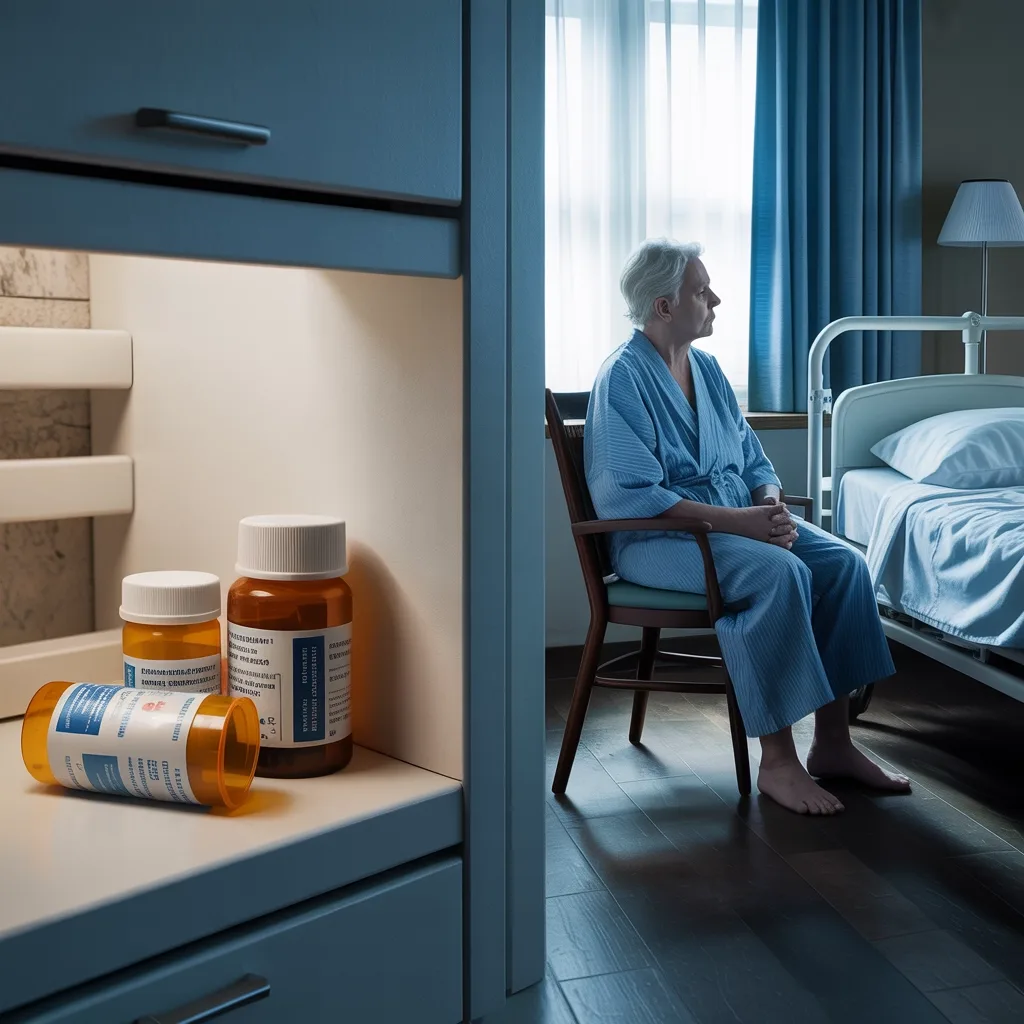
Consider Elaine's story: Her father almost took the wrong medication one evening, the pill colors looked similar in dim light. She caught it, but didn't change anything about their medication system.
Three weeks later, it happened again. This time, her father took the wrong dose before she noticed. The resulting hospital visit cost them a week of stress, thousands in medical bills, and a significant setback in his overall health.
One near miss, ignored, became a crisis.
Turning Near Misses Into Prevention: A Practical Framework
Here's a quick checklist you can use right now. Write it on a sticky note or post it in your caregiver space, because action saves lives.
1. Scan the Environment Weekly
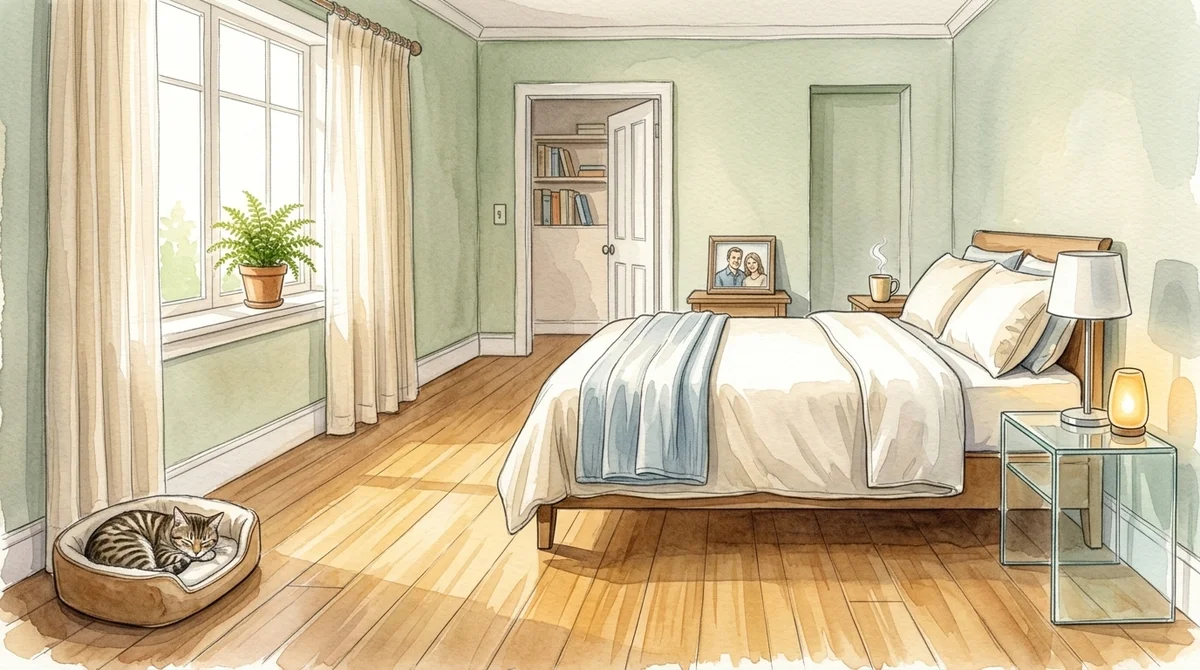
Walk through the home like an inspector. Look for:
- Throw rugs, cords, or clutter
- Dim lighting or broken bulbs
- Steps or uneven surfaces
- Bathroom hazards (slippery surfaces, lack of grab bars)
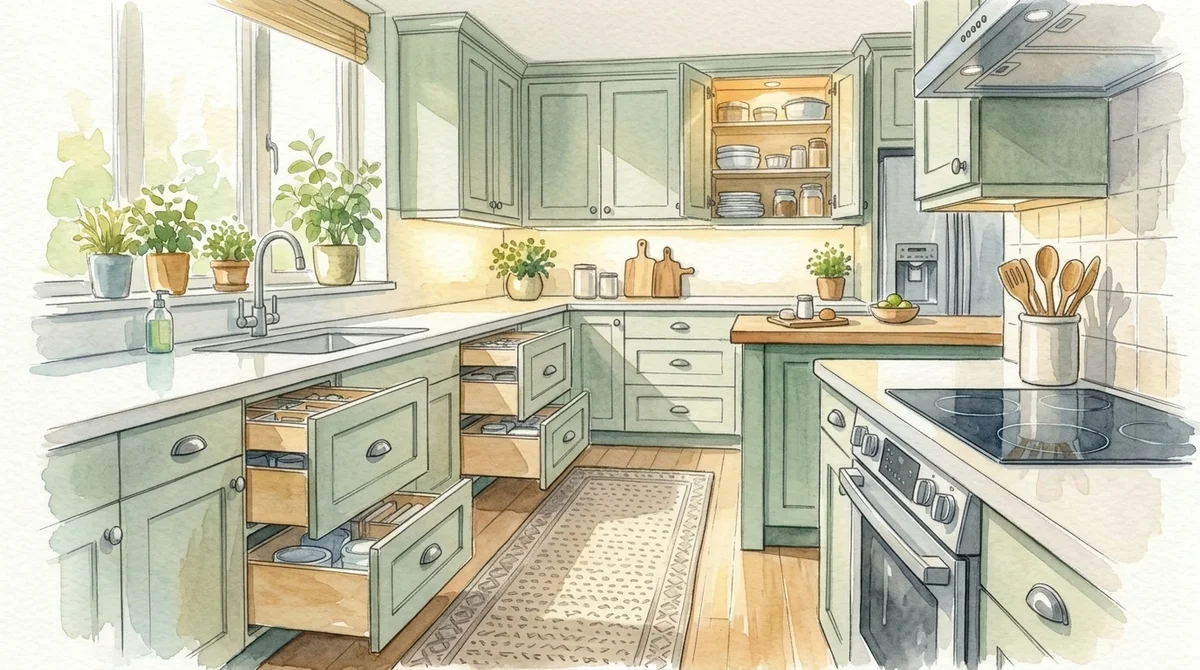
- Kitchen dangers (stovetop knobs easily bumped, scalding water)
2. Simplify Medication Management
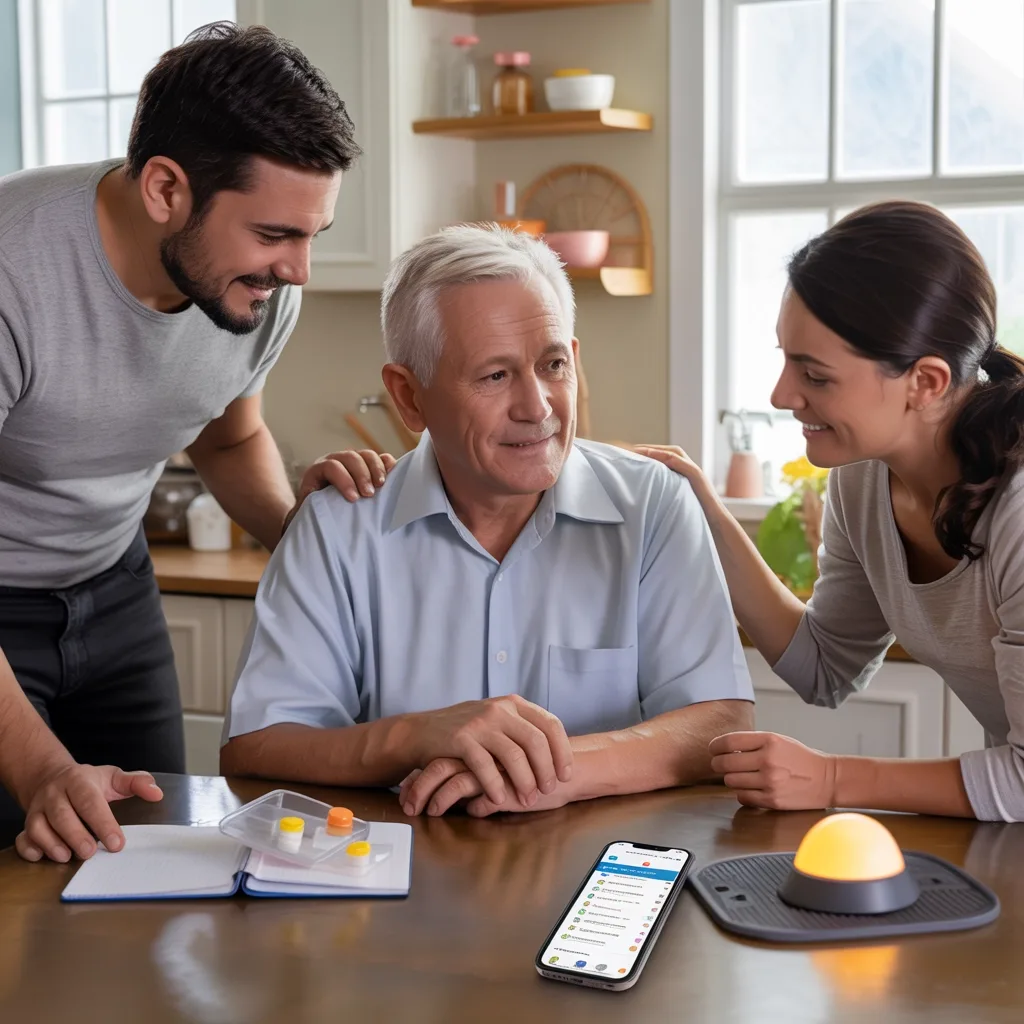
- Use a clearly labeled pill organizer
- Set phone alarms or smart speaker reminders
- Do a weekly double-check of all meds with a family member or pharmacist
- Store look-alike medications in completely different locations
- Create a visual medication chart with actual pill images
3. Share the Load
- Loop in other family members, friends, or a professional caregiver
- Use a shared calendar (Google Calendar works great with Alexa and smart speakers) to track appointments and meds
- Document hazards in a shared note so everyone stays updated
- Establish a "no blame" communication policy about safety concerns
4. Leverage Technology
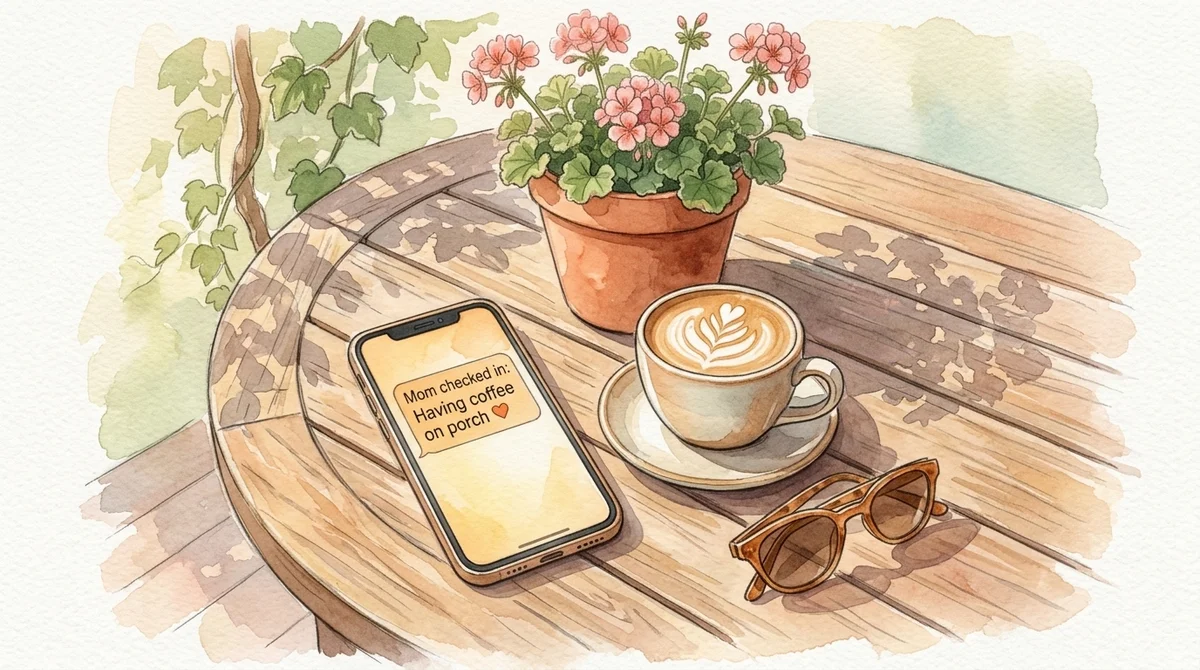
Platforms like SeniorThrive help you scan rooms for hazards, track wellness through daily check-ins, and keep everyone aligned in one dashboard. Let tech do the heavy lifting, so you can focus on care, not chaos.
Many caregivers resist technology, thinking it's too complicated. But modern caregiving tools are designed specifically for non-tech people. The learning curve is worth the peace of mind.
5. Celebrate Improvements
When you fix something, a new nightlight, a cleared hallway, acknowledge it. Progress builds confidence for everyone involved.
Take photos of "before and after" safety improvements. This visual record helps everyone see progress and stay motivated.
The Psychology of Near Misses: Why We Ignore Them
Understanding why we brush off near misses helps us combat this dangerous tendency:
-
Relief bias: The overwhelming relief when "nothing happened" clouds our judgment about what could have happened
-
Normalization: "That always happens" becomes our excuse for not changing things
-
Optimism bias: We convince ourselves lightning won't strike twice
-
Overwhelm: Adding one more task to an already exhausted caregiver feels impossible
Recognizing these mental traps is the first step to overcoming them.
A Personal Challenge for You
Think about your last near miss.
Maybe it's still fresh. Maybe it's something you brushed off.
Ask yourself:
- What caused it?
- What small action can I take today to make sure it never happens again?
- Who else needs to know so they can help?
Then do it. Don't wait. Near misses are red flags that rarely wave twice.
From Reaction to Prevention: Building a Safety Mindset
Professional caregivers and healthcare settings have formal processes for handling near misses. As family caregivers, we can adopt similar principles:
- Document: Keep a simple log of near misses
- Analyze: Look for patterns (time of day, location, activities)
- Prioritize: Focus on fixing the highest-risk issues first
- Review: Schedule a monthly safety review with your care circle
- Advocate: Share what you've learned with other caregivers
This shift from reactive to preventive thinking doesn't happen overnight. But each small step builds a safer environment.
Your Next Step
If you're caring for someone you love, you already carry enough stress. Let's turn those silent scares into safer homes and stronger systems.
Start by scanning one room today.
Write down what you see.
Fix one thing. Just one.
And if you want a tool that does this with you, room scans, safety tips, shared dashboards, and smart reminders, explore SeniorThrive. Because thriving at home isn't luck. It's leadership.
Ready to Help Your Loved One Thrive at Home?
Don't wait for a crisis. SeniorThrive gives you the tools to support safety, wellness, and connection, without the overwhelm.
✅ Scan rooms for fall risks
✅ Track wellness with simple daily check-ins
✅ Stay connected with your whole care circle
Aging is inevitable. Thriving is a choice. Ready to choose?
👉 Join SeniorThrive today and take the first step toward confident care at home.