Leave Me the F*** Alone: What Older Adults Really Mean When They Say It
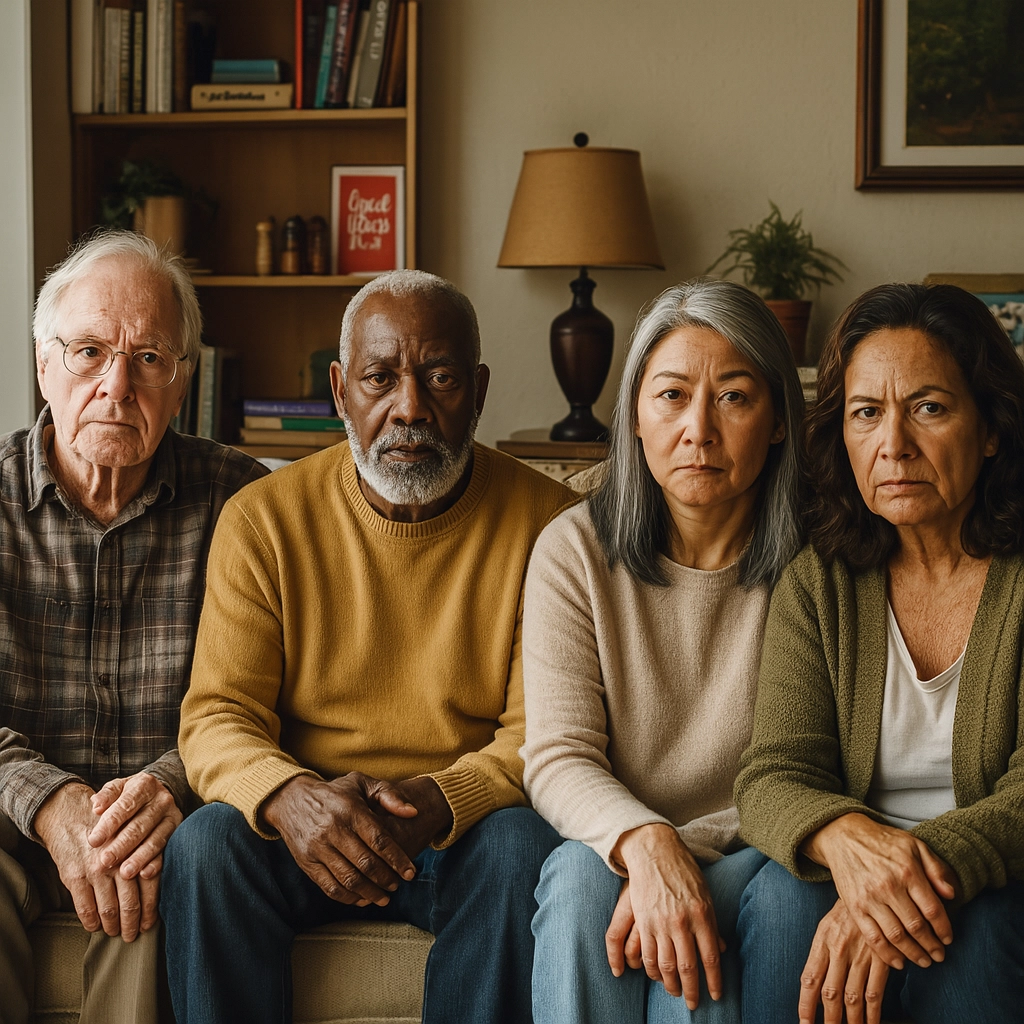
Let's get real for a minute. If you're caring for an aging parent or loved one, you've probably heard some version of "leave me alone" – maybe with a few choice words thrown in for emphasis.
It stings. It hurts. And if we're honest, it can make us question everything we're doing to help.
But what if I told you that when an older adult says "leave me the f*** alone," they're actually communicating something much deeper than simple anger? Understanding what's behind these words is the first step to preserving both their independence and your relationship.
Beyond the Words: What They're Really Saying
When those four harsh words come out, they rarely mean exactly what they sound like. Instead, they're often a shorthand for complex emotions and needs:
1. "I'm Losing Control of My Life"
For many older adults, aging brings a series of losses – physical abilities, social connections, and independence. Each time someone steps in to "help," it can feel like another piece of autonomy slipping away.
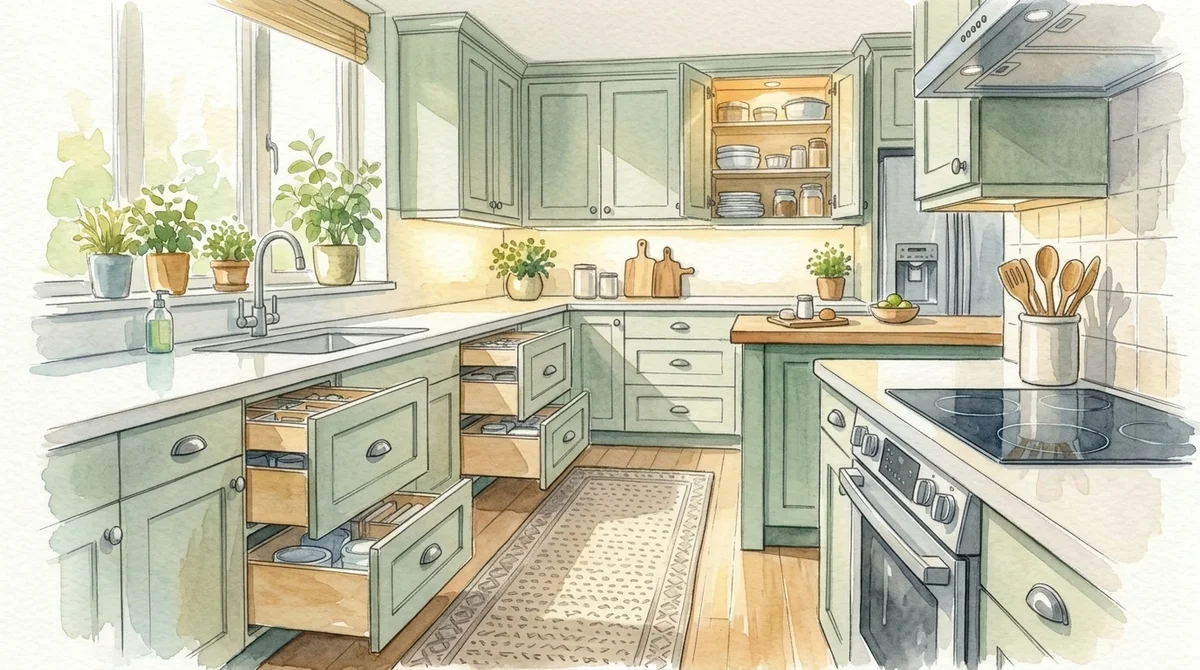
"My daughter meant well when she reorganized my kitchen 'more efficiently.' But I've had my spatulas in that drawer for 40 years. It was the last straw after a week of people making decisions for me." – Margaret, 78
The harsh pushback is often a last-ditch effort to maintain some control over their environment and choices.
2. "I'm Overwhelmed and Need Space"
Aging often comes with sensory processing changes. What might seem like a normal level of activity or noise to you could be genuinely overwhelming to an older adult.
- Doctor appointments
- Medication management
- Well-meaning visitors
- Constant check-ins
- Decision fatigue
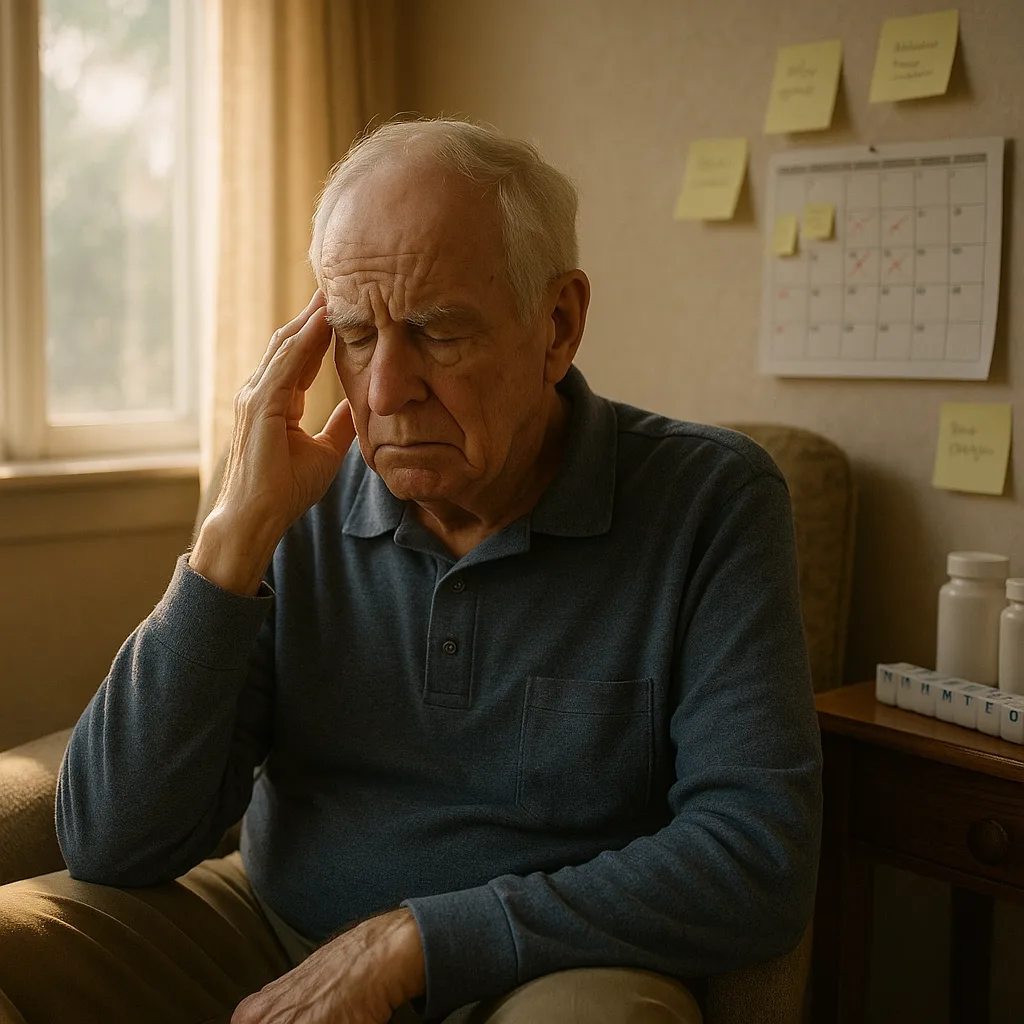
All of these create mental and emotional strain. Sometimes, "leave me alone" simply means "I need to decompress."
3. "I'm Grieving My Independence"
There's a profound grief that comes with aging – mourning the person you used to be and the capabilities you once had. When family members witness this grief, the natural instinct is to rush in and fix it.
But grief needs space. When an older adult pushes everyone away, they might be processing the difficult emotions that come with their changing reality.
"I used to run a department of 30 people. Now my kids act like I can't decide what to eat for breakfast. Sometimes I just need everyone to back off so I can remember who I am." – Robert, 83
4. "I Feel Infantilized"
Few things are more demoralizing than being treated like a child when you've lived a full adult life. When adult children slip into parent-like roles with comments like "Did you remember to take your medicine?" or "Should you really be eating that?", it creates a perfect storm of frustration.
The expletive-laden request for space is often a reaction to this role reversal – a desperate attempt to be treated like the adult they still are.
Common Trigger Scenarios
Understanding when these outbursts typically happen can help prevent them. Here are the situations where you're most likely to hear those four words:
After a Loss of Function
Whether it's giving up driving, needing help with bathing, or struggling with technology they once mastered, any new dependency can trigger protective anger.
During Health Discussions
Conversations about doctors, medications, or health conditions can quickly cross into territory that feels invasive or judgmental.
When Privacy Is Compromised
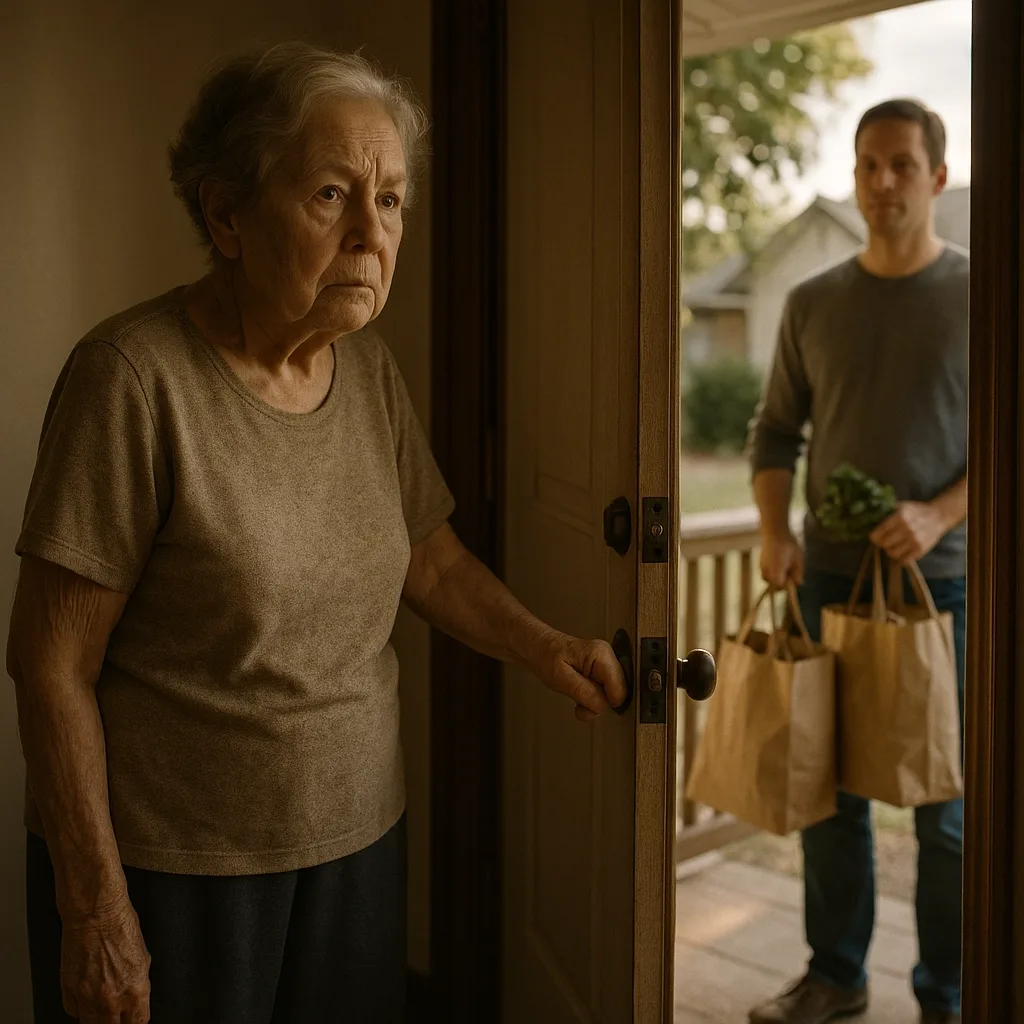
Walking in without knocking, discussing their personal matters with others, or monitoring their activities too closely can all spark a fierce defense of privacy.
In Group Settings
Family gatherings where they feel they're being watched, evaluated, or talked about rather than with can lead to explosive requests for space.
The Psychology of Independence in Aging
This fierce protection of autonomy isn't just stubbornness – it's deeply rooted in psychological needs:
Dignity and Self-Worth
Our society often equates independence with value. When older adults can't do things for themselves, they may feel their worth diminishing. Pushing others away becomes a way to assert: "I still matter. I still have dignity."
Fear of Becoming a Burden
Many older adults witnessed their own parents' aging and vowed, "I'll never do that to my kids." The anger often masks a deep fear that they're becoming the very burden they promised themselves they wouldn't be.
Control as Safety
In a world that feels increasingly unpredictable, controlling one's immediate environment provides a sense of security. When well-meaning help removes that control, it can trigger profound anxiety.
When to Worry vs. When to Give Space
Not all requests for space are created equal. Sometimes they're healthy boundary-setting, and sometimes they're warning signs:
Healthy Scenarios
- Occasional requests for privacy
- Pushing back when genuinely over-helped
- Asserting preferences about their daily routine
- Needing alone time after busy social interactions
Concerning Scenarios
- Consistently isolating from all social contact
- Refusing help with essential safety or health needs
- Suddenly becoming verbally aggressive when this wasn't their normal pattern
- Combining requests for isolation with expressions of hopelessness
The Cultural Context: Why This Generation Struggles to Ask for Help
For many of today's seniors, especially those in their 80s and beyond, asking for help was never part of their cultural vocabulary:
- They survived economic hardship
- They were raised with "pull yourself up by your bootstraps" messaging
- They value stoicism and self-reliance
- They grew up when mental health wasn't discussed
- They fear being "put away" if they admit to struggles
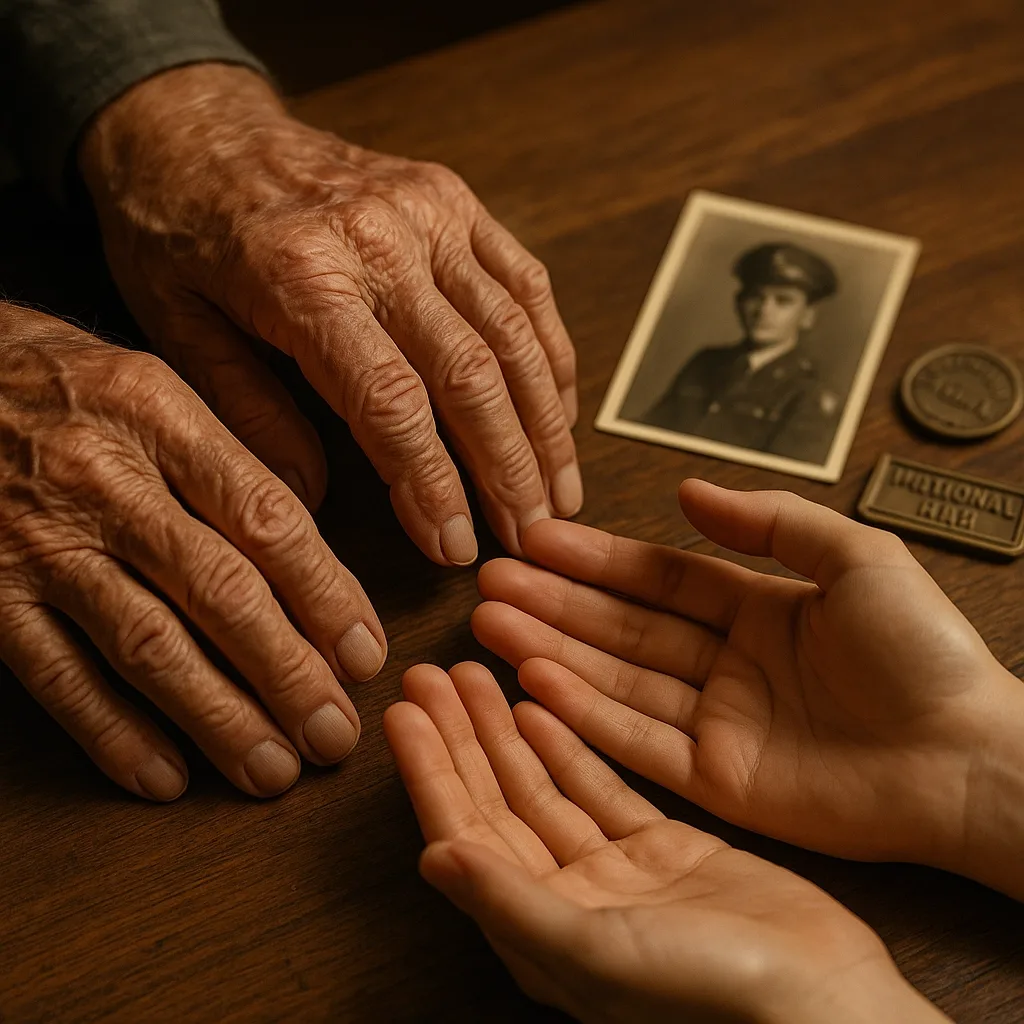
This context helps explain why requests for space often come out as angry demands rather than calm conversations. They haven't had decades of practice with gentle boundary-setting.
How to Hear What They're Really Saying
When those harsh words come your way, try mentally translating them into what might really be going on:
- "Leave me the f*** alone" → "I need to feel in control of something right now"
- "Get out of my house" → "I'm feeling overwhelmed and need space to process"
- "Stop bothering me" → "Your help makes me confront my limitations"
- "I don't need your help" → "I'm afraid of becoming completely dependent"
Understanding the subtext doesn't mean you have to walk away entirely – but it might mean finding more respectful ways to stay connected while honoring their need for autonomy.
The Path Forward
If you're consistently hearing these words, it might be time to:
- Reassess how help is offered. Are you asking permission or just taking over?
- Create structured alone time. Sometimes knowing there's dedicated space in the day for privacy makes it easier to accept help at other times.
- Look for technology solutions that provide safety without constant human oversight. (Tools like SeniorThrive's daily check-in system can provide peace of mind without in-person intrusion.)
- Consider professional mediation if family dynamics have become entrenched.
Remember, the goal isn't to abandon your loved one to complete independence they can't safely manage – it's to find the delicate balance between necessary support and vital autonomy.
When Words Become Walls
Sometimes, the harsh request for space becomes a pattern that prevents necessary care. In our next post, we'll explore how family members can respond when they hear "leave me the f*** alone" – balancing respect for independence with genuine concerns about safety and well-being.
In the meantime, remember that beneath those difficult words is often a person struggling to maintain their identity and dignity in the face of change. Seeing that humanity – rather than just reacting to the harsh language – is the first step toward a healthier relationship.
Ready to Help Your Loved One Thrive at Home?
Don't wait for a crisis. SeniorThrive gives you the tools to support safety, wellness, and connection, without the overwhelm.
✅ Scan rooms for fall risks
✅ Track wellness with simple daily check-ins
✅ Stay connected with your whole care circle
Aging is inevitable. Thriving is a choice. Ready to choose?
👉 Join SeniorThrive today and take the first step toward confident care at home.