Is This a Scam? The 6 Predatory Traps Targeting Older Adults in 2026
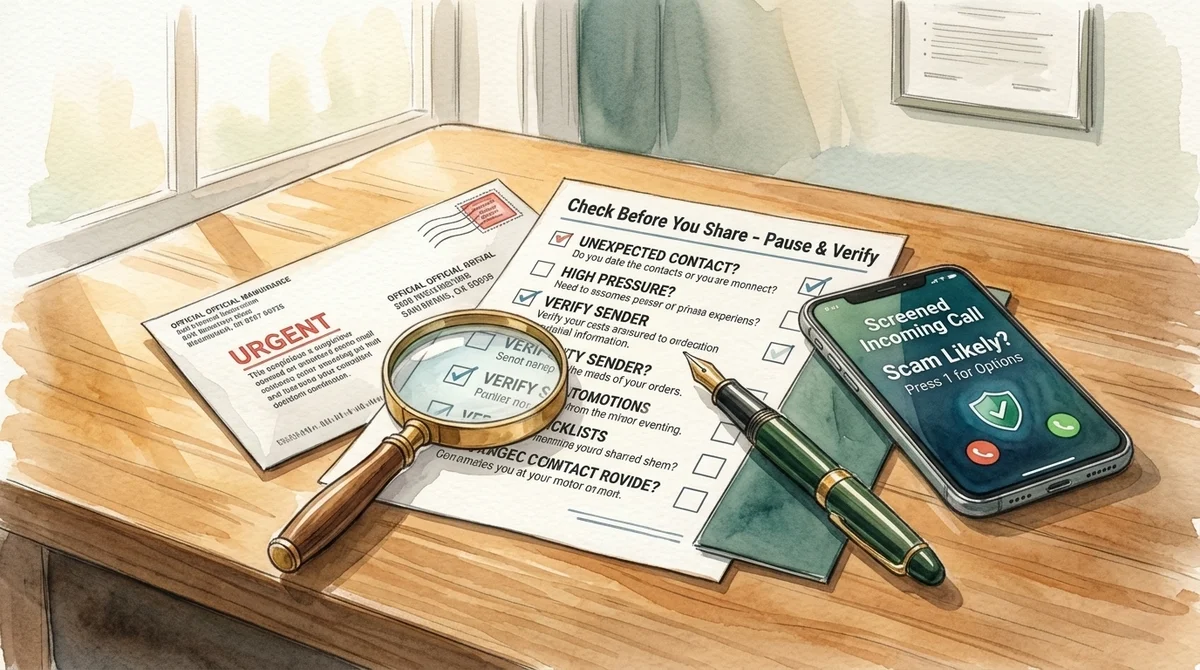
The phone rings at 3:15 PM on a Tuesday. The caller ID displays the name of your local bank. A serious, professional voice says: "This is Mark from Chase Fraud Prevention. We have flagged three unauthorized wire transfers originating from your checking account. To protect your funds, we need to verify your one-time security code immediately."
Your heart races. Your adrenaline spikes. In that single moment of manufactured panic, logic takes a back seat to survival instincts. And that is exactly what modern cybercriminals count on.
Financial scams targeting older adults stole an estimated $3.4 billion in 2025 alone, according to the FBI Internet Crime Complaint Center (IC3). Today's fraudsters are not sloppy amateurs sending emails riddled with typos; they are sophisticated criminal syndicates using AI voice-cloning, spoofed caller IDs, psychographic manipulation, and full-screen computer takeovers designed specifically to exploit trust, politeness, and fear.
Below is the field guide to the six most aggressive scams targeting seniors in 2026, the psychological triggers they use, the immediate 15-minute defense rule, and what to do right now if money was already sent.
Suspicious Right Now? Verify in Seconds
If you or your parent received a strange text, email, voicemail, or urgent letter, do not click links or call the number provided. Paste the message directly into SeniorThrive's free Scam Checker to get an immediate, plain-language safety read.
The 6 Predatory Scams Targeting Seniors in 2026
| Scam Name | The Deceptive Hook | The Psychological Trigger | The Dead Giveaway |
|---|---|---|---|
| 1. AI Voice-Clone "Grandkid in Jail" | A distressed voice sounding exactly like your grandchild claims they caused a car crash, were arrested, and need bail | Familial love, sheer terror, secrecy ("Don't tell Mom and Dad!") | Demands immediate wire transfer, cryptocurrency, or cash handed to a courier who comes to the house |
| 2. Bank Fraud Department / Zelle Trap | Text alert: "Did you spend $1,400 at Target?" followed by a call from a spoofed bank number claiming to "reverse" the charge | Panic over drained checking accounts | Instructs you to "transfer money to a secure holding account" or read back a two-factor code over the phone |
| 3. Full-Screen "Windows / Apple Defender" Lock | A loud alarm sounds on the computer; a flashing pop-up screams: "Virus detected! Call Microsoft Support immediately!" | Technological helplessness, fear of stolen files | The technician asks to install remote desktop software (AnyDesk, TeamViewer) to "clean your machine" |
| 4. Medicare / Social Security "Suspension" | Robocall claiming your Social Security Number was linked to drug trafficking at the border and your monthly check is frozen | Fear of losing essential monthly retirement income | Demands payment of a "bond" via retail gift cards (Target, Apple, Google Play) to unfreeze your benefits |
| 5. Unsolicited Door-to-Door "Driveway / Roof" Contractor | A truck pulls into the driveway: "We just finished a paving job down the street and have leftover asphalt. We can reseal your drive for $300." | Polite obligation, fear of home deterioration | Demands thousands in cash upfront halfway through; sprays cheap motor oil or black paint and vanishes |
| 6. The "Wrong Number" Romance / Crypto Mentor | A friendly text appears: "Hi Anna, are we still having lunch?" When you reply it's a wrong number, they strike up a polite, charming friendship | Social isolation, loneliness, desire for connection | After weeks of rapport, they casually mention making hundreds of thousands on an exclusive crypto trading platform |
The 3 Golden Rules of Scam Immunity
You do not need to memorize every new scam variation. Ninety-nine percent of modern cyber-fraud collapses when you apply three strict behavioral rules:
Rule 1: The 15-Minute Breather
Scammers rely entirely on urgency. They insist that if you hang up, your account will be deleted, your grandson will be thrown in prison, or sheriff deputies will arrive in twenty minutes.
The Golden Counter-Move: Hang up immediately. Put the phone down. Walk into the kitchen, pour a glass of water, and set a timer for 15 minutes. High-pressure adrenaline fades in 15 minutes, allowing your rational executive brain to re-engage. No legitimate financial institution or law enforcement agency requires decisions in under 15 minutes.
Rule 2: Never Trust Inbound Contact
Caller ID numbers are trivially easy to fake using online software. A call can display "Chase Bank," "Internal Revenue Service," or your local police department, even if the caller is sitting in an offshore boiler room.
The Golden Counter-Move: If an inbound caller claims there is an account problem, say: "I will call you back through the official number." Hang up. Find the phone number printed on the back of your physical credit card, on your actual paper utility bill, or at the official .gov website. Dial that number directly.
Rule 3: The Payment Method Litmus Test
Ask yourself: How are they asking for money?
If anyone asks you to pay via Target/Apple gift cards, Bitcoin ATM machines, wire transfers to an unfamiliar account, or physical cash handed to an Uber courier, it is a 100% confirmed criminal scam. Legitimate companies and government agencies never accept gift cards or cryptocurrency as payment.
---What to Do If Money Was Already Transferred: The 24-Hour Recovery Checklist
If you or an aging parent transferred money or shared sensitive credentials, act immediately without shame. Scammers are professional psychological manipulators; falling victim is not a sign of foolishness, but of human vulnerability.
-
1. Call Your Bank's Specialized Fraud Department Immediately
Do not visit a local branch teller; call the 24/7 fraud hotline on the back of your card. State clearly: "I have been the victim of wire/ACH fraud. I need an emergency recall on transaction number [ID] and a fraud hold placed on all outgoing transfers." Wires recalled within 24 to 48 hours have a significantly higher recovery rate. -
2. Freeze Your Credit at All Three Major Bureaus
A credit freeze prevents scammers from opening new credit cards or loans in your name. It is 100% free by federal law and does not affect your credit score:- Experian: 1-888-397-3742 (experian.com/freeze)
- TransUnion: 1-888-909-8872 (transunion.com/credit-freeze)
- Equifax: 1-800-685-1111 (equifax.com/personal/credit-report-services)
-
3. File Reports with IC3.gov and the FTC
Submit a complaint to the FBI's Internet Crime Complaint Center at IC3.gov and the Federal Trade Commission at reportfraud.ftc.gov. While these agencies rarely recover funds directly, official case numbers are required by banks and insurance companies for reimbursement claims. -
4. Disconnect the Computer from the Internet
If you allowed a "technician" remote access to your computer, immediately pull the Ethernet cable or turn off your Wi-Fi router. Bring the machine to a reputable local computer technician to wipe remote-access software and keyloggers before powering it back on.
How Adult Children Can Protect Aging Parents Without Micromanaging
Setting up defenses does not mean treating your parents like children. Frame protections around modern cybersecurity best practices:
- Establish a "Family Safe Word": Agree on a private, secret word known only to close family members (e.g. "Blueberry"). If anyone calls claiming an emergency involving a child or grandchild, the senior asks for the safe word. If the caller stammers or hangs up, the fraud is instantly exposed.
- Silence Unknown Callers on Smartphones: In iPhone and Android settings, enable "Silence Unknown Callers." Any number not saved in your parent's contacts goes straight to voicemail without ringing. Legitimate callers will leave a message; automated robocalls will disconnect.
- Use Vetted Contractors: When home maintenance is required, bypass unsolicited door-to-door sales. Explore vetted professionals through tools like Home Repair Help.
For more guidance on discussing safety boundaries openly, explore our guide on The SeniorThrive 5-Question Framework.
---Frequently Asked Questions
Will Medicare or Social Security ever call you asking for your card number?
No. Medicare and the Social Security Administration (SSA) almost never initiate unsolicited phone calls. They conduct official business through written notices sent via U.S. postal mail. They will never call demanding money, threatening arrest, or asking you to verify your Social Security number or Medicare number over the phone.
How can scammers clone a grandchild's voice?
Modern generative AI software requires as little as 3 to 10 seconds of clear audio to replicate an individual's vocal pitch, cadence, and inflection. Scammers harvest short video clips from public social media profiles (TikTok, Instagram, YouTube) and feed the audio into voice synthesis tools to mimic a family member in distress.
What should you do if your computer screen freezes with a virus warning?
Do not call the phone number displayed on the screen. Full-screen browser pop-ups with blaring sirens are fake warnings created with simple web code to simulate a lock. Press and hold your computer's physical power button for 10 seconds to force a hard shutdown. When you restart the computer, open your browser without restoring previous tabs.
Can you get money back after being scammed?
It depends on the payment method and how quickly action is taken. Wire transfers recalled within 24 to 48 hours have a moderate recovery rate, and unauthorized credit card charges can be disputed through federal zero-liability protections. However, payments sent via gift cards, peer-to-peer apps like Zelle, or cryptocurrency are rarely recoverable.