How to Get Started with Digital Banking
The Covid-19 pandemic forever altered user behaviors in many ways, including how many of us conduct financial transactions, now through digital channels. However, Baby boomers, ages 58 to 76, didn't immediately make the move to digital channels, especially mobile banking, at as high of a rate as younger adults, according to the American Bankers Association. Seniors are still more likely than younger generations to conduct transactions at bank branches. They are also much more likely than younger generations to conduct transactions through the mail. Seniors were born before the advent of digital technology and are generally less tech-savvy than younger adults. They also may have a greater fear of fraud and identity theft.
What is digital banking?
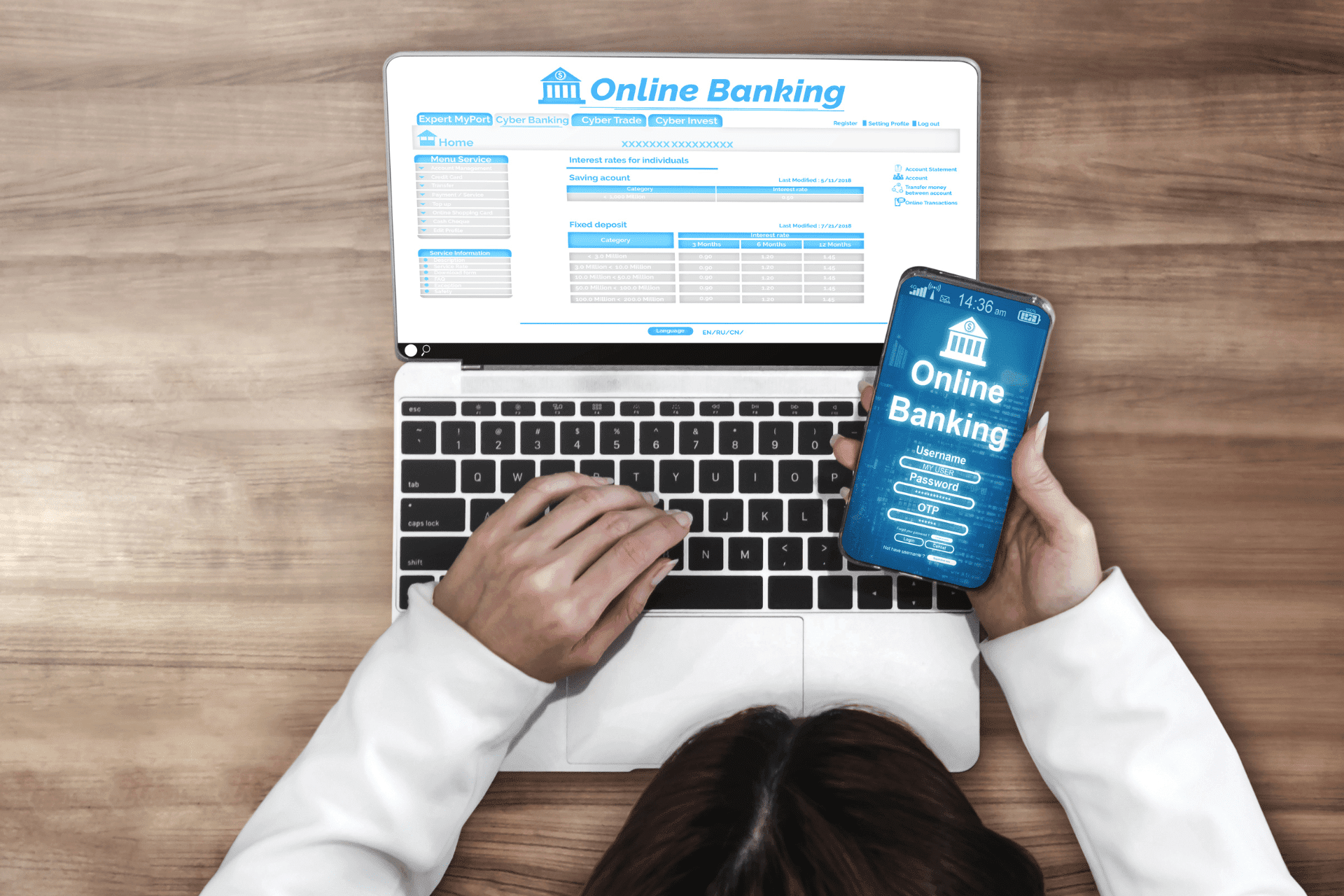
If you're a senior citizen and aren't familiar with digital banking, you may be feeling left out and behind the times. But there's no need to feel that way. Digital banking is simply using online banking services through a computer or mobile device instead of going to a physical bank branch. It's safe, convenient, and can help you keep track of your money more easily. Here's how to get started with digital banking.
How to get started with digital banking
There's no need to be intimidated by digital banking, it's easy to get started, even if you're not a tech-savvy senior. Whether you want to bank online, on your mobile device or through a well-known app, these tips will help make the process smooth and straightforward.
First, you'll need to choose a digital banking platform that works for you. Do some research to find out which one best suits your needs in terms of security, features and user-friendliness. Once you've selected a platform, sign up for an account following the instructions provided.
Next, you'll need to link your account to a funding source, usually a checking or savings account. This will allow you to transfer money into your digital account so you can start making transactions. After you have linked your account to a funding source, you can begin using your digital account. You can send or receive payments through the platform, and use it to check your balance and recent transactions.
The Benefits of Digital Banking for Seniors
There are many benefits to using digital banking, especially as a senior. Here are a few reasons why you should consider making the switch:
Ease of use: Digital banking is often more user-friendly than traditional banking. You can typically do everything you need to without having to go into a physical bank branch.
Convenience: With digital banking, you can check your account balance, transfer funds, and pay bills all from your computer or mobile device. This can be a big time-saver and allows you to enjoy more time at home or doing what you love to do.
Better interest rates: Many online-only banks offer better interest rates on savings accounts and CDs than traditional banks. This can help you grow your money more quickly.
Digital Banking Doesn't Mean No Human Contact
There's no need to be intimidated by digital banking. It's a convenient way to manage your money, and you can still get help from a real person when you need it. In fact, some banks offer more help than traditional banks. For example, with some of the best online-only banks, you can visit a branch or talk to a customer service representative by phone.
The time to start digital banking is now. Bank technology is safe, simple and secure. You will save time and enjoy the convenience of banking from home or from everywhere. And help is always near through your bank's customer service team. Digital banking is one more way seniors thrive at home.