Active Agers: Who They Are – What They Need – What They Want
Who They Are
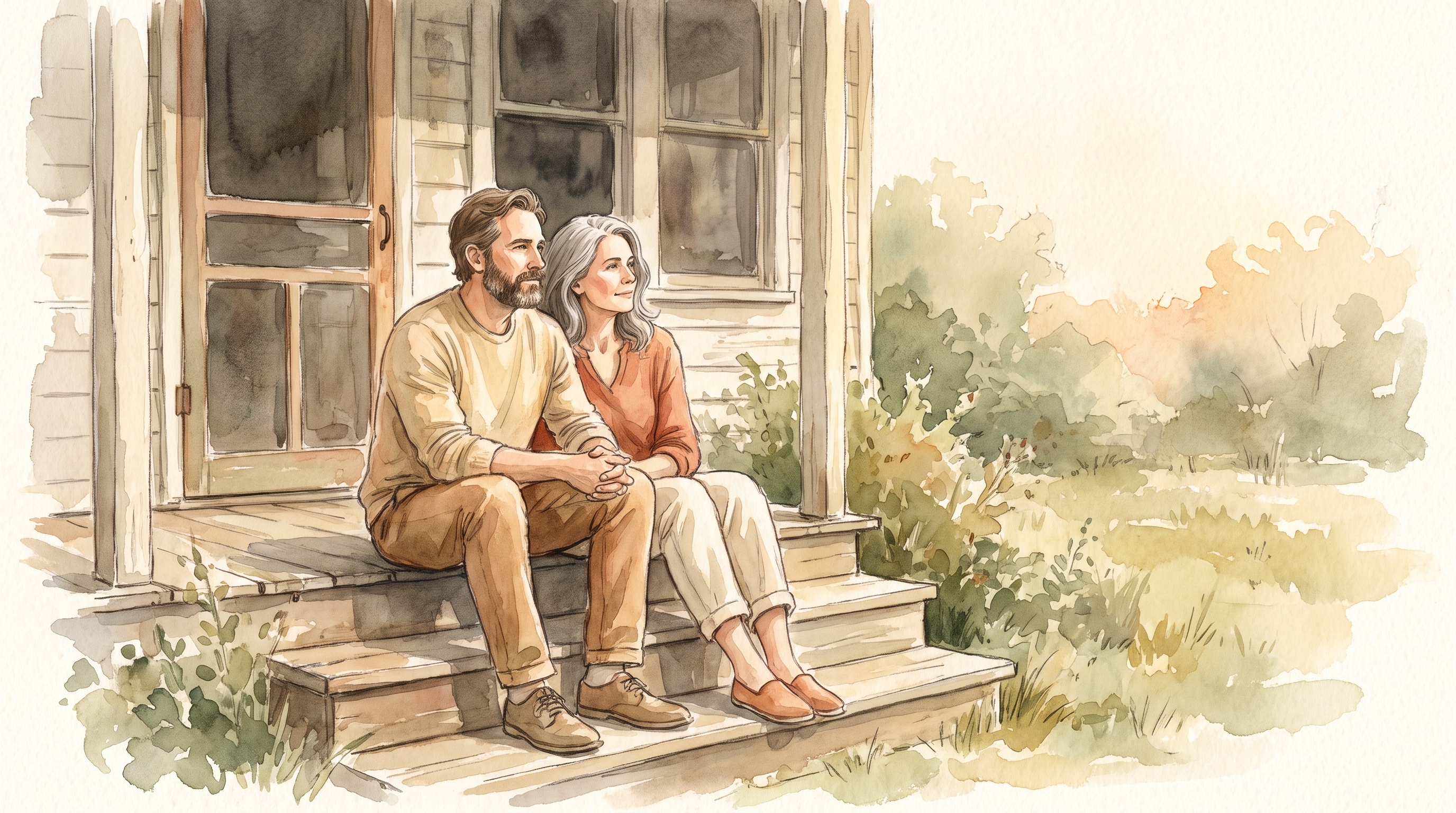
Active agers are people "of a certain age" who don't let numbers define them. They understand that a positive attitude and engagement with other people and activities can keep you active and happy, no matter what the calendar says.
Having lived through the rebellious 60s, the tumultuous 70s, the consumerism in the 80s, the contradictions of the 90s, the crises of the 00s, and the rapid development in technology during the 2010s, active agers are used to being flexible and being on their toes.
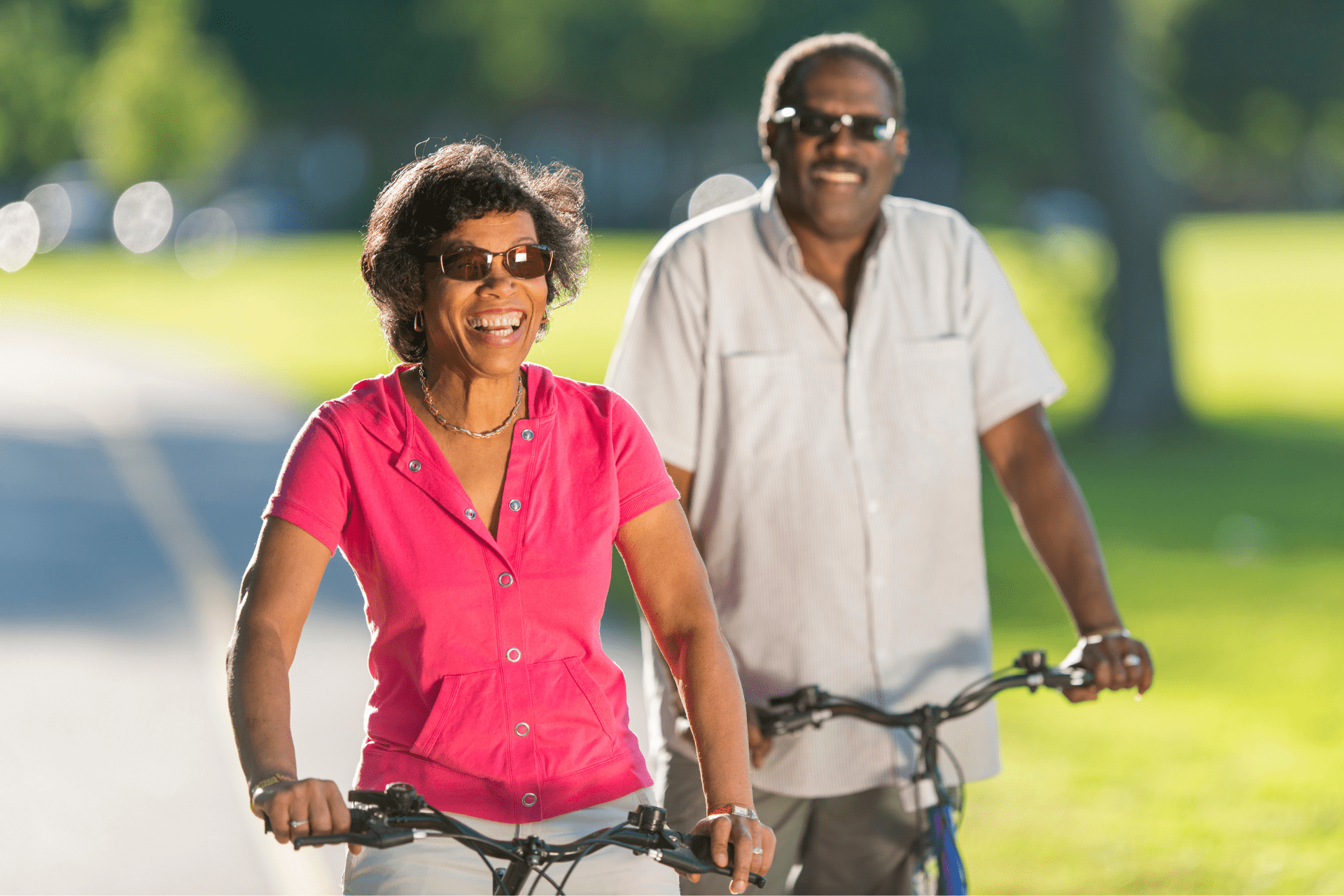
Active agers travel, take part in community organizations, keep in touch with family, and enjoy life to its fullest. Everyone, no matter what their age, wealth, or physical abilities deserves to have the life they desire. Active agers know this and go after it with gusto.
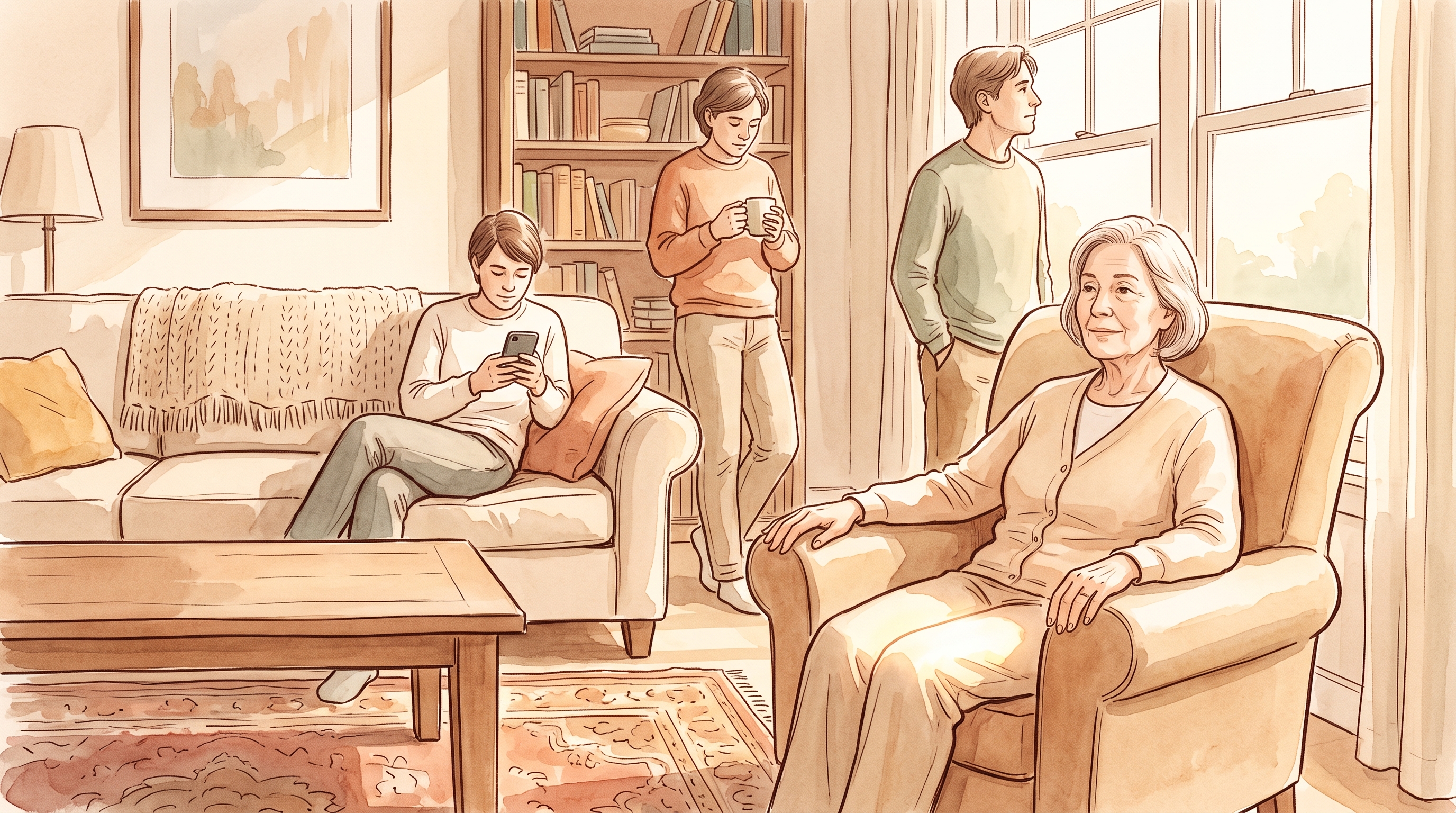
Active agers won't stay cloistered in their homes. They don't need to be sent away to live with other aging people – unless they find the company of age-related peers stimulating. Active agers can decide for themselves what their life should look like.
What They Need
Some sort of physical activity – walking, chair yoga, Zumba, calisthenics – is crucial for anyone who wants to be an active ager. Good health habits should be started young but can develop at any age. Physical activity and healthy nutritious food are essential for an older person to stay active. Perhaps a cooking class can help an active ager to discover how to cook healthy food while enjoying the company of other learners. Also, getting adequate rest is vital. While our need for sleep may decrease as we grow older, it is still important to be well-rested and take naps if needed.
Active agers need company. Participating in community senior programs can help them get out and meet other people. Following interests such as joining a walking club, playing golf, and going to craft meet-ups allows them to meet people of a variety of ages and interact while enjoying a long enjoyed activity or exploring something new. Volunteering can bring a sense of productivity and being needed as the active ager works at a community garden, helps to feed the homeless, or holds premature babies at the NICU.
Health care is vital for the active ager. Regular checkups and screenings can alert the active ager and their doctor to any medical issues that might be brewing. Keeping chronic issues such as diabetes, arthritis, heart, lung, or circulatory problems, or other conditions in check will ensure that the active ager can keep going for years to come.
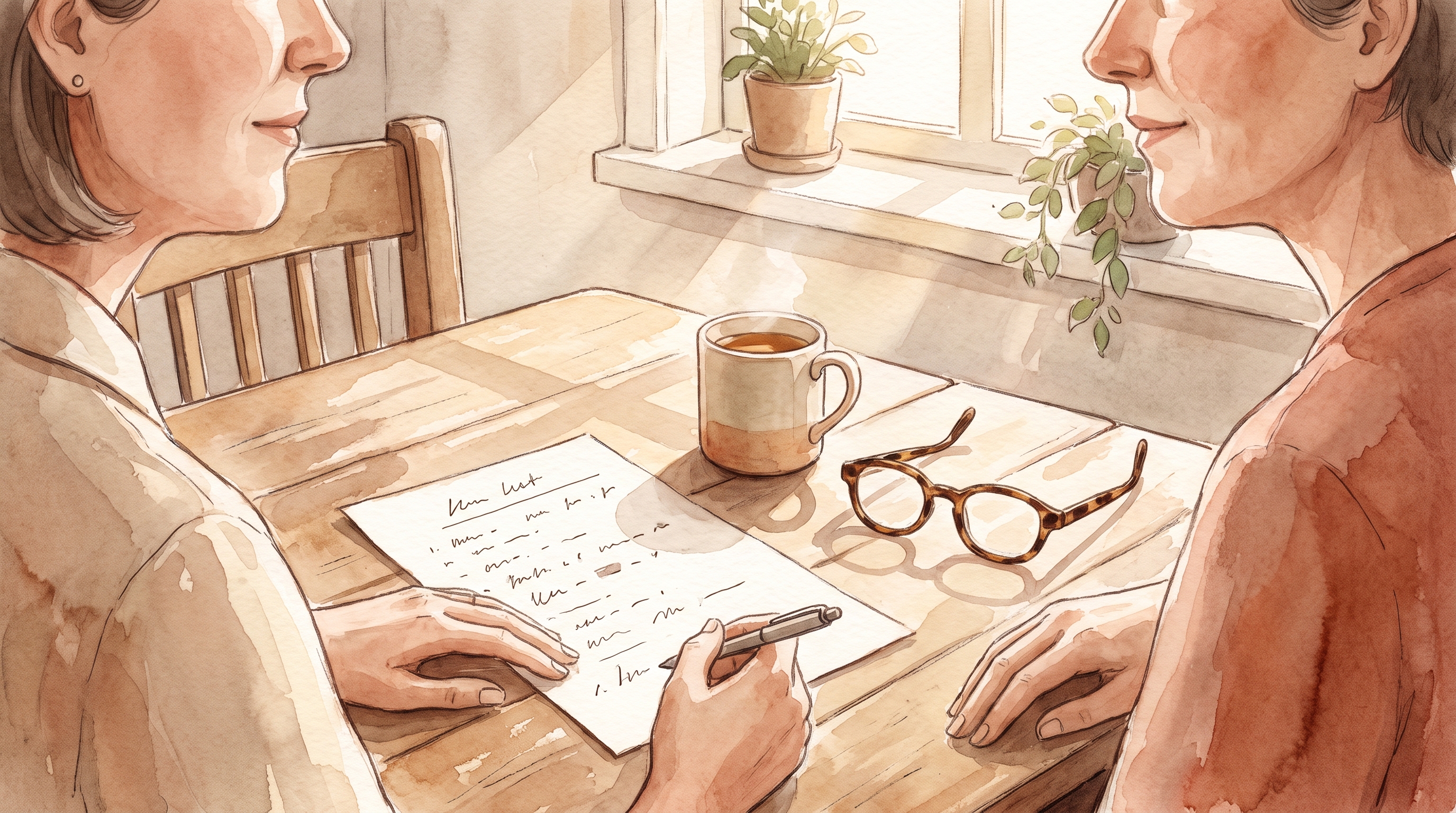
Active Agers may need help sometimes to keep living on their own. This is where friends, family community organizations, and SeniorThrive! Comes in. Active Agers know when to ask for help.
What They Want
There are many theories of lifespan development that address people as they get older. Eric Ericson looks at aging as a time to look back on your life and learn to accept who you have become and what you have accomplished. By doing this, the person gains wisdom and what he calls "ego integrity". If a person fails to do this they feel despair. But the active ager wants to explore their life and learn the life lessons they are here to learn.
Havighurst considers successful active aging to be a process of adjusting to retirement, declining physical capabilities, the loss of a spouse, and the successful meeting of social, familial, and civil obligations. People in their 50s and 60s are very independent. As we approach our 70s and 80s we begin to slow down and experience a need for interdependence. As we get older than that, we may need more help with daily tasks.
But no matter what age, everyone can determine where and how they live. Active agers are a diverse group of people and trying to lump them all in as one group does everyone a disservice. Active agers can be as busy or as quiet and contemplative as they like. Their needs, technology, and life will evolve over time. The goal is to be flexible. Adjust as needed. Active Agers should be sure to have the resources (SeniorThrive!) and the support you need (family, friends, caregivers, and SeniorThrive!). Active agers want what everyone wants – a good life as defined by them and them alone.